Abu-Garcia Revo SX Reel Review

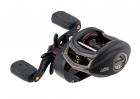
Revo SX Reel

Revo SX Reel

The Abu-Garcia Revo series of reels is one of the best on the market right now. The SX lists for $160 but I got mine for much less than that at an outdoor writers auction. I teamed the reel with an Abu-Garcia Veritas rod I love the outfit.

I have six Revo reels and all have held up well to heavy use. The SX is extremely smooth and the drag system handles big fish. You can set the reel anti-backlash with an easy dial adjustment. With mine set at about half way, I can cast a 3/8ths ounce jig and pig on 15 pound Sun Line a very long way without any backlash problems. I can also pitch a jig easily at this setting. If I want to skip the jig I turn the magnetic anti backlash setting up a couple of notches to avoid the backlash.

The reel is very light weight and low profile. Although I don’t palm my reels, I hold the rod in front of the reel for better control and hook set power, I like the low profile reel. And the black reel with red highlights is pretty on my white Veritas rod!

Although the reel is fairly expensive, it is well worth the price. Abu-Garcia has a reputation for producing quality, durable reels and the Revo SX follows that tradition.

What Are the Best Georgia Bass Lakes?

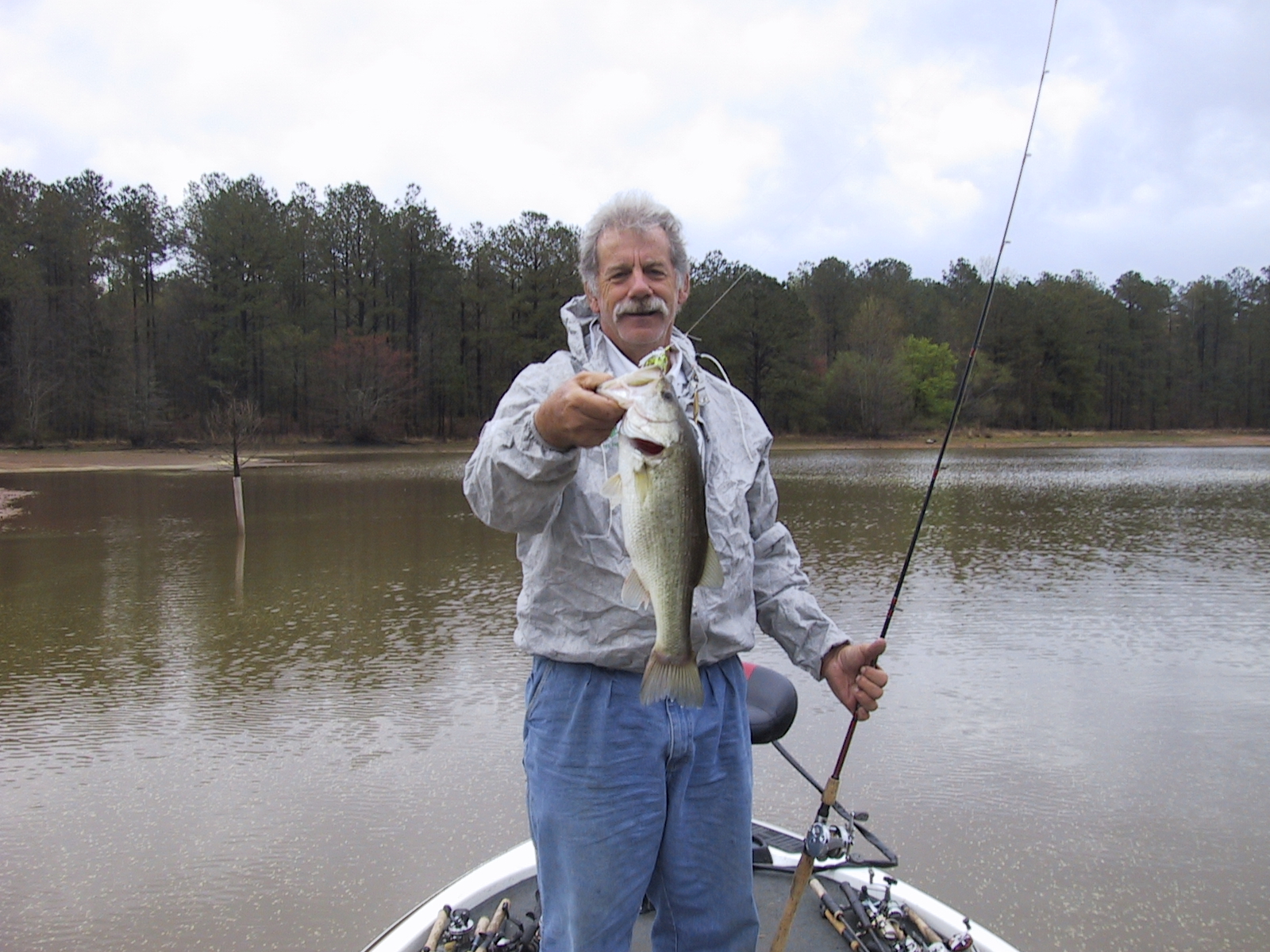
Rainy day bass

Rainy day bass

Pity the poor bass fisherman in Georgia. There are so many good bass lakes around the state he just doesn’t know where to go. All the options make it tough to decide which way to head to catch bass. What a terrible problem to face!

From our beautiful mountain lakes with steep rocky shorelines, clear water and aggressive spotted bass to flatland reservoirs full of stumps, grass and largemouth, we have it all. Good fishing will always be within a short drive of a Georgia bass fisherman. And it is always fun to take a trip to a lake on the other end of the state to try something completely different.

Any lake in Georgia will produce good catches but how do you decide which lake to go to if you want to improve your odds? A good pointer is the Georgia Bass Chapter Federation Creel Census Report compiled by Dr. Carl Quertermus at the University of West Georgia. He has been crunching the numbers reported by Georgia bass clubs since 1978. His data can give you an excellent guide.

First, you need to decide if you want to catch big bass or numbers of bass. Although you can do both at times, some lakes will always produce bigger than average bass but they usually produce lower numbers per angler hour. Others will consistently produce more bass for you but their size will not be as good as on other lakes.

The following lakes will give you some good choices. You won’t go wrong with any of them, no matter what your bass fishing goals.

Lake Thurmond – Clark’s Hill

Lake Thurmond, better known at Clark’s Hill to Georgia fishermen, is by far the most popular destination for state bass clubs. There were 125 tournaments reported there during the most recent creel census annual report. The next most popular lake, Sinclair, had 76 tournaments reported.

There is a reason Clark’s Hill is so popular – it produces excellent numbers of good size bass. The average catch rate per man hour of bass fishing there was .306, meaning it took just over three hours to produce a keeper. That doesn’t sound great, but it is the third highest catch rate in the report. Since there are so many tournaments there that is a lot of bass.

The average size of bass from Clark’s Hill is 1.77 pounds, not huge but the second highest for a lake with a 12 inch size limit. And there are good numbers of five-pound plus bass in the lake. It took 225 hours of fishing to produce a bass over five pounds, second shortest time in the state. A few spots are showing up in Clark’s Hill and may hurt the fishing over the long run, but right now the numbers and size of bass make Clark’s Hill one of our best lakes to fish.

Dammed in 1950, Clark’s Hill is our biggest lake with 72,000 acres of water covering the Savannah and Little River basins just north of Augusta. It is the last of the chain of lakes on the Savannah and the terrain the lake floods is rolling hills with creek and river channels. The lake is big enough to offer just about any kind of fishing conditions you want, from very clear to muddy water, deep drops to shallow flats and even hydrilla to fish.

The hydrilla is a fairly new addition to the lake as are blueback herring. Both have changed the lake. The hydrilla offers extensive heavy cover where little existed fifteen years ago and the blueback have become a favorite food for the bass.

When the bluebacks are spawning in April you can catch large numbers of quality bass throwing big topwater plugs like a Zara Spook, soft jerkbaits like a Zoom Fluke and wake baits like the Buckeye Lures Wakeup over shallow gravel flats. The Georgia Little River arm of the lake is excellent for this, with many blow-throughs, shallow gravel bars between islands, where the blueback spawn.

After the sun gets bright and the blueback disperse, dragging a Carolina rigged lizard on gravel flats and points produces good catches. On bight sunny days pitching a jig and pig into holes in the hydrilla and popping it back can produce quality bass. And, if the lake is full, dropping a Texas rigged worm around button bushes in the shallows if a fun way to catch fish.

Lake Allatoona

The lake with the highest catch rate in the state is always a surprise, but Lake Allatoona consistently holds that position. Although the number of tournaments there is low, they produce a catch rate of .352, the highest in the state. Allatoona has been consistently in the top lakes in the state for numbers of bass per hour for several years.

Size of bass is good, too, with the average bass weighing 1.75 pounds. But it is tough to catch a five pound plus bass. None were reported in the most recent creel census report. Since spots account for 90 percent of bass weighed in, that is not surprising, and a 1.75 pound average for spots is impressive.

Located almost in downtown Atlanta, Allatoona gets real crowded and is hard to fish during the warmer months, except at night. Just over 12,000 acres of water cover steep rocky hillsides and flats up the Etowah River. Filled in 1950, it is just 30 miles north of Atlanta and I-75 crosses it.

The lake is full of spotted bass and the steep rocky banks and points are great habitat for them. The lake is small enough that water levels change rapidly. A heavy rain will over-fill the lake but it will be pulled down just as fast. And the average 17 foot drop for winter pool means there is not much shallow cover except rocks and man-made brush piles.

Your best bet to catch spots on Allatoona is to get on the rocky bluff banks and fish them. You can parallel them with a crankbait while the water is still cool, keeping you boat in close and running your bait along the steep drop. Hopping a jig head worm or small jig and pig down the rocks also works well.

Topwater early in the morning fished along the steep rock walls will draw strikes until the sun gets on the water. From big baits like a Spook to small ones like a Tiny Torpedo, spots will hit topwater hard. Some days they want a small bait, sometimes the big one, so give them a choice.

As the water warms ride points, humps and channel drop and watch your depthfinder for brush piles from 18 to 30 feet deep. Mark them, back off and drag a jig head worm or jig and pig through them. On the more shallow ones run a big crankbait over them if you can get it down to within a couple of feet of the top of the brush. It is even better if you can tick it.

Lake Blackshear

Often overlooked by bass fisherman, Blackshear has the highest average size for largemouth of all lakes in the Creel Census Report, at 2.26 pounds. There aren’t a lot of tournaments reported on the lake but that average size is impressive. And it takes only 261 hours to catch a five-pound plus bass, third lowest time in the state.

Numbers of bass caught is what often holds fishermen back from going to Blackehear. It takes about six hours of club tournament fishing to produce a bass, the longest time in the state, but the size is likely to be good. And the cover you get to fish makes Blackshear a fun lake to fish.

Located near Cordele not far from I-75, Blackshear is in the middle of the state. Its 8500 acres on the Flint River cover swamps and bottom land and the lake is very shallow. Dammed in 1930, it is a very old lake but it was drawn down in 1973 and much of the standing timber was removed from the main lake below the Highway 280 Bridge. The flood in 1994 broke the dam and it was rebuilt, renewing the lake for few years.

If you like fishing cover for largemouth you will love Blackshear. Its shallows are filled with cypress trees and various kinds of aquatic grass. Bass hold tight to this cover but it is fun fishing visible targets rather than dredging unseen depths.

Pitch a Texas rigged plastic worm or jig and pig to the base of a cypress tree and let if fall. Work it slowly through the root ball. Remember the roots of a cypress often extend several feet from the base of the tree and bass will hold anywhere in them.

A key to fishing cypress trees is to hit the trunk of the tree and let your bait slide into the water. A splash seems to turn off the bass holding so shallow. Use heavy tackle. You are likely to tangle with a two to five pound bass in this thick cover.

If you like topwater, the grass filled shallows are fun to fish, too. Use weedless baits like a frog or rat and work matted vegetation. You can also run a buzzbait over submerged grass, through holes and channels in grass and beside cypress trees. All methods will produce water splashing strikes.

Lake Seminole

The best bass lake in Georgia for big bass should come as no surprise. Seminole has long been known as the land of lunkers and the Creel Census Report shows it still produces the best fishing for quality bass in Georgia. It is well worth the trip south to experience its fishing and beautiful scenery. It has a few spotted bass in it and shoal bass can be caught in the rivers, but largemouth are the main species.

The average size of bass at Seminole is a respectable 2.1 pounds, highest of any lake in the state with a 12 inch limit. And the amount of time it takes to land a lunker over five pounds is only 131 hours, by far the shortest time of any lake in the report. The catch rate is pretty good with a keeper bass landed in less than five hours of fishing, too.

In the far southwest corner of the state, Seminole is bordered by Florida and Alabama but most of its waters are in Georgia. The dam was authorized in 1946 on the Apalachicola River just south of where the Flint and Chattahoochee Rivers join. It backs up 37,000 acres of very shallow water.

Seminole is full of standing timber, stumps, grass beds and shallow bars. It is dangerous to navigate and visiting anglers need to stay in marked channels when running. Locals run across unmarked flats and lower unit sales are brisk in the area.

The rivers get stained to muddy pretty fast from upstream rain but Spring Creek and Fish Pond Drain stay clear most of the time. Those areas offer great sight fishing for bedding bass in the spring and many tournaments are won using that method. It is exciting to be looking at a five pound plus bass and trying to make it hit.

Hydrilla fills the lake and bass live in it most of the year. You can fish it by running topwater baits over submerged beds, running crankbaits down the edges of the grassbeds where channels cut through it, or by dropping plastic worms or a jig and pig into it and working through it.

Standing timber also holds bass and many are caught on drop-shot worms jiggled at the base of trees standing on the edges of old channels. You can also work the edges of the timber with a big crankbait or spinnerbait, or fish a Carolina rigged worm by throwing into the trees and working it out. The key to catching bass in timber is to find a change in the bottom. A hump or a channel will hold bass along its edges.

For something different, run up the Flint River above Bainbridge to the rocks and shoals. Many fishermen use jet boats because it is so dangerous, with big mid-river rocks that will ruin a lower unit, but you can catch some big shoal bass on crankbaits and plastic worms in the shoals. Five pound plus shoal bass are possible and one that size is a real trophy.

Fish any of your baits with the current. You will need a strong trolling motor to hold you in the shoals to fish where the big shoalies live, and it is dangerous getting to them, but the fishing can be like no other fishing in Georgia.

West Point Lake

West Point is a popular lake with both bass club fishermen and other bass fishermen. It has changed a lot and spotted bass have largely replaced largemouth in most club tournament catches. For this reason the average size of bass caught is not very high. A 13 inch spot will not weigh nearly as much as a 14 inch largemouth. You can keep any size spot at West Point but largemouth must be at least 14 inches long.

The numbers of bass caught at West Point is third highest in the state at .303 per hour, but the average size is only 1.53 pounds, third lowest in the state. And it takes a whopping 743 hours to land a five pound plus bass, second longest time in Georgia.

West Point is fun to fish because it is so varied and you can catch a lot of bass there. Located just west of LaGrange on the Chattahoochee River, its 26,000 acres are backed up by a dam built in 1974, making it one of our newest lakes. Rolling hills and deep channels mark the lower lake while extensive flats and river like banks are filled with bass upstream of the railroad bridge.

Spotted bass abound on the gravel and rock flats and points on the main lake. Crawling a jig and pig across them or dragging a Finesse type worm on a Carolina rig is a good way to catch them. Spots fight hard and are fun to catch. They are also very tasty and fishermen are encouraged to keep up to their limits of ten bass per day of any size spot landed. Removing spots from the lake probably won’t help much at this point, but it surely won’t hurt anything!

For largemouth, fish blowdowns and brush piles on the lower lake with a big Texas rigged worm or Senko. Fish the slowly and give a big largemouth a chance to hit it. Also run up the river and work big baits through the numerous blowdowns that line the steep river banks. Many tournaments are won up the river since it tends to produce bigger fish.

Pick any of these lakes or just go to the one nearest where you live. You are going to catch bass in Georgia on all our lakes, but these give you some advantages, depending on what you want. You can’t go wrong with any of them.

Abu-Garcia Veritas Medium Heavy Action Rod Review

Veritas Rods Picture

Veritas Rods Picture

I bought a Abu-Garcia seven foot medium heavy action Veritas rod at an outdoor writers auction at a greatly reduced price. The rods list for about $100. I have been using the rod to cast a jig and pig and it does a great job with a 3/8ths ounce jig with a twin tail trailer. I can cast the jig and pig about as far as I want to with the Revo SX reel I put on the rod and spooled with 15 pound Sun Line

The rod is sensitive and has good feel for the jig bumping rocks and wood. I can also detect strikes easily. The medium heavy rod has great hook setting power and the seven foot length helps get a good hook set.

The one op piece rod is light enough that I can fish with it for hours without fatigue. The one drawback for me is that there is no comfort cushion in front of the reel. I hold my casting rods and reels by gripping the rod in front of the reel. I do not palm the reel since I think I get more control holding the rod, and I can let the line run between my fingers while fishing. Without a cushion of some kind it is very uncomfortable so I sipped a six inch piece of pipe insulation on the rod, got it in place and taped it with electrical tape. That works well for me.

Since the rod has the rod blank exposed just below the reel, my palm rests against it and that increases the feel.

This is a good mid-range price rod and the two I have are some of my favorites.

How To Catch Suspended Bass

Lake Sinclair bass caught on a jig head worm

Lake Sinclair bass caught on a jig head worm

If you ask most bass fishermen how to catch suspended bass, don’t be surprised if the response is: “you can’t.” Suspended bass present fishermen with one of the most difficult problems to solve and many just give up and go look for easier fish to catch. But there are ways to get them to bite and tactics that will help you land fish that others give up on.

Bass suspend away from structure and cover for a variety of reasons. One of the most common is when lakes stratify, forming a thermocline between hot upper oxygenated layers of water and cooler, deeper layers with little oxygen. Bass can’t live in the cooler waters so they get as close to it as they can, suspending over deep water at the level where they can still find enough oxygen.

Suspended bass will often be found holding off points and humps at the most comfortable depth to them. They will be over a deeper channel but not far from the rise in the bottom where it meets the depth they are holding. That allows them to run in and feed, then move back out over deeper water.

Some lakes present a special situation where standing timber under the water rises many feet off the bottom. Bass will often use these trees as cover, relating to the trunks and limbs while holding well off the bottom of the lake.

The best way to find suspended bass where you fish is to ride the lake and watch a depth finder carefully. Follow channels and ditches while watching for fish holding between the bottom and the surface. Riding back and forth over a point or hump, not turning your boat until well past the drop of the bottom contour, will show you schools of bass suspended near them. And moving slowly over standing timber will reveal bass suspended in it if your depth finder is a good one.

Depth control of your bait is critical to catching suspended bass. They are holding at a set depth and will not move far up or down to take a bait. So finding the bass and knowing what level they are holding is just the first step. You must then find a way to put your bait at the level where they will see it.

A crankbait is a good way to catch suspended bass but you must make it work at the dept the bass are holding. There is an old tried and true method of doing this that has fallen out of favor. Trolling it a great way to get your crankbait down to a set depth and keep it there while covering a lot of water, but it is against the rules in bass tournaments so many bass fishermen have abandoned it, but it still works.

Most lure companies have designed a variety of crankbaits that run down to a set depth. For example, a Bandit Series 400 will run 12 to 16 feet deep and a Series 700 will run 14 to 18 feet deep. A Bomber Fat Free Shad will run 14 to 18 feet deep while a Fat Free Fingerling will run eight to 10 feet deep.

The depth varies depending on factors like trolling speed, line size and amount of line out, so you need to experiment to find out the exact combination to produce the exact depth you want. Mark a set depth on a point then troll over it varying line size, length of line out and trolling speed until your bait just ticks the bottom at the depth you want it to run, then troll through schools of bass at that depth.

You can do the same thing if you are limiting yourself to casting, but line size and the distance you cast are even more important. And boat position becomes critical. When you cast a crankbait like the Bomber or Bandit it will dive to its maximum depth as you start your retrieve then rise when it gets near the boat.

Since your crankbait will stay a the desired depth for only a short distance when casting, you must locate the schools of bass then position your boat near them so you can cast past them and work the bait back, keeping it at the critical depth as long a as possible.

Some newer baits on the market make casting and controlling your depth easier. Both the Swarming Hornet and the Fish Head Spin are lead-head baits with a small spinner under the head. When you attach a Roboworm E-Z Shad or other shad looking plastic bait, it imitates a baitfish.

Tie on one of these baits and vary the weight of the lure and the line size to match the conditions like wind, water clarity and depth you want to fish. Smaller diameter line helps keep the bait at the depth you want to fish and you can get by with lighter line since the bass are away from cover.

Position your boat near the school of suspended bass and make a long cast past it. Feed line to the bait as it falls so it drops straight down and count it down. Figure one second per foot of drop, but to be more exact cast to a known depth and count it down to make sure your are accurate.

When the Fish Head Spin or Swarming Hornet reaches the correct depth, slowly reel the lure along. A slow, steady retrieve keeps the spinner turning and keeps the bait at the optimum depth. You can cover much more water at the best depth with one of these lures than with a crankbait since the lure drops straight down to the correct depth then stays at that depth all the way back to the boat.

One of the easiest and most effective ways to control the exact depth you want to fish is by using a drop shot rig. A drop shot rig is one where the lead is tied to the very end of your line and a hook tied on up the line. Special hooks and sinkers are designed for drop shotting and make it a more efficient way to fish, but you can use any sinker and hook as long as the hook is very sharp.

Gamakatsu hooks are known to be super sharp and they make a Drop Shot/Split Shot hook that comes in a variety of sizes and you can choose red or black hooks. These hooks are relatively small and are perfect for nose hooking small plastic bait like a Slider Worm, Roboworm or Gulp Minnow Grub.

A soft, straight worm like the Slider or Roboworm is the usual choice for drop shotting, but experiment with other shapes of baits, too. Some days the bass might like a fat Gulp Grub with a quivering curly tail over a thin straight worm.

Choose one of the plastic baits that match the size of the baitfish the bass are eating, and use a color based on water color. Clear water is usually best for drop shotting so line choice is critical, too. Fluorocarbon line is the standard for drop shotting and Sunline is invisible in the water and holds up well. The lack of stretch of fluorocarbons like Sunline also help with hooking fish on light line.

You can drop shot at any depth you find the fish holding. If they are three feet off the bottom, tie your hook three feet up the line. If they are 15 feet off the bottom, tie your hook 15 feet up the line.

This may sound strange but, since the sinker is at the end of the line, when you hook a bass and reel it in, there is nothing to get in the way of landing it. You may have a lot of line trailing the bass but you can land the fish without reeling it all in.

Get your boat right on top of the school of bass and hold over them watching your depthfinder. Let the sinker on your drop shot rig hit the bottom and you know your bait will be at the exact depth you tied it above the sinker. Twitch your rod tip, making the worm or grub dance right in front of the bass’s mouth.

Drop shotting is the best way to catch bass suspended in timber, too. For these bass, tie a hook a few inches to a foot above a sinker and get right on top of the fish. A good depth finder will allow you to watch your bait as it falls and you can stop it right in front of the bass and shake it. You are usually targeting a single bass in timber rather than a school. A drop shot rig moves the sinker away from the bait while still giving ou exact depth control.

Don’t let suspended bass ruin your day. Try these techniques to land them when others are just shaking their heads.

How To Fish Lake Oconee and Lake Sinclair

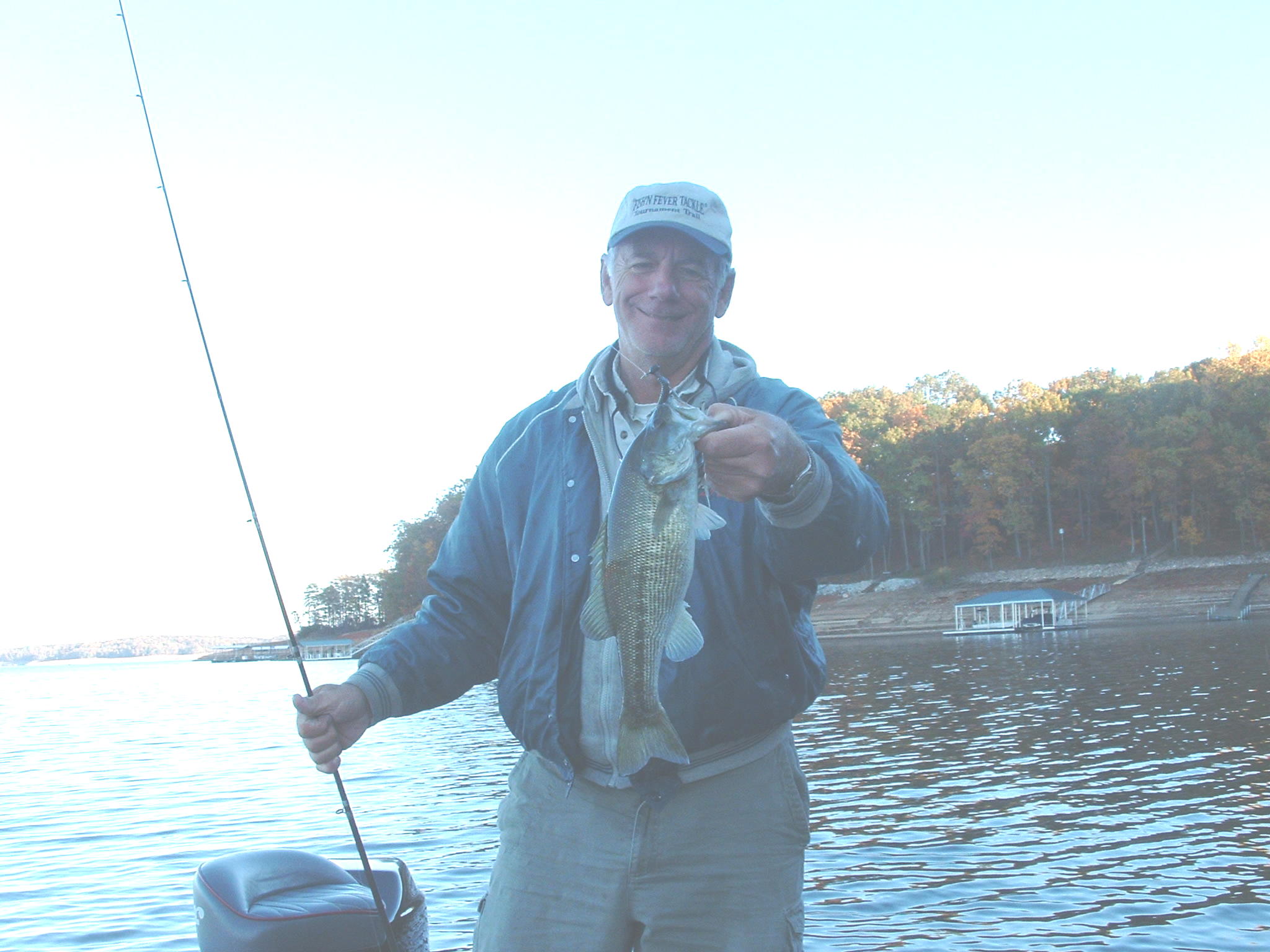
I caught this bass after a bad cold front

I caught this bass after a bad cold front

How to fish Lakes Oconee and Sinclair In Winter

Along its 170 mile course the Oconee River passes through some beautiful country, from its hilly beginnings north of Athens to the flatlands where is joins the Ocmulgee River near Lumber City. But to bass fishermen none of the river is it prettier than the 45 miles contained in Lake Oconee and Lake Sinclair.

Oconee and Sinclair offer some of the best bass fishing in Georgia, especially in the winter. Although the lakes are back to back with the Oconee dam separating the two, and have many similarities, they are different in many ways. Those differences and similarities are important to the bass fishing on each.

Lake Oconee is the newer of the two and its 19,050 acres of water was dammed in 1979. It has 374 miles of shoreline covered with golf courses, expensive houses and docks. There are areas of huge boulders in parts of the lake and natural rock is common. Shallow sandy coves and clay points are found throughout the lake as are big areas of standing timber.

Lake Sinclair is smaller and older than Oconee, with 14,750 acres of water. It has more long creeks so it has slightly more shoreline with 417 miles. Although work on the dam was started in 1929 the Great Depression and World War II stopped it and it was not completed until 1953. There are many sandy coves and shallow creeks with extensive grassbeds, but no standing timber. Some natural rock is in the lake but you won’t find the big boulders common at Oconee. Like Oconee, it is lined with docks.

Lake Sinclair has always had a 12 inch size limit on bass but at Oconee there is a slot limit from 11 to 14 inches, meaning you can keep bass over or under that length. That was done to try to keep down the population of small bass since Oconee is not a fertile lake, but fishermen seldom keep the smaller bass so the slot limit may not be very effective. Both lakes have a ten bass daily possession limit.

Water clarity is similar on both lakes and ranges from very muddy to slightly stained. The upper Oconee River at Oconee is most likely to be muddy while Little River on Sinclair stays heavily stained year round. The clearest water on Sinclair will usually be in Island and Rocky Creeks near the dam and Richland Creek on Oconee is usually the clearest. Sinclair also has a steam power plant that warms areas of the lake, keeping winter temperatures well above those at Oconee in some sections.

At the Oconee Dam the power generators were specially designed to work as pumps, too. During the day water runs through them from Lake Oconee into Lake Sinclair, producing electricity. At night some of the generators are reversed, pumping water from Sinclair back into Oconee. This pump-back operation creates unusual current patterns on both lakes and affects the bass fishing.

When power is being generated at the Oconee dam current runs downstream through Lake Oconee and Lake Sinclair. But when water is being pumped back the current flows upstream in both lakes. This current positions bass in different ways on structure and cover.

The pump-back operation does keep both lakes at a fairly stable water level. Oconee will drop a foot or two during the day and Sinclair will rise the same amount, then Sinclair will drop a foot or two at night while Oconee rises. But the water does not show the drastic drops found on other Georgia lakes in the winter, with both lakes staying within a couple of feet of full pool most of the time.

According to the Georgia Bass Chapter Federation Creel Census Report, in 2007 Sinclair had 81 tournaments and Oconee 73, the second and third highest totals of any Georgia lake. A lot of tournaments are held on the two lakes because fishing is good on them. On Sinclair 2.91 bass per man hour of tournament fishing were weighed in, the highest in the state. At Oconee it was 1.88, not real high but tournaments have an effective 14 inch size limit that lowers the numbers weighed in.

For tournament winning weights Oconee and Sinclair had identical 9.83 pounds, tied for fourth highest in the state. So bass fishermen catch a lot of bass in tournaments on both lakes. The numbers are good and success rates reflect this, meaning you should catch a good number of bass on either lake this winter.

The Georgia DNR says Sinclair has a lot of small bass in it, no surprise to anyone fishing it, and the good 2006 and 2007 year class bass should dominate this winter. Since over 90 percent of bass caught at Sinclair are usually released the numbers should stay high and the size increase with time.

At Oconee the bass population is stable but the DNR is concerned that the numbers of small bass will hurt the lake. Unless bass fishermen start keeping the small bass under the 11 inch slot limit the quality will suffer. That may be reflected in the fact the average big bass in tournaments at Oconee was only 3.68 pounds, compared to 4.20 pounds at Sinclair.

There are a lot of ways to catch bass on both lakes right now. You can follow the same patterns on each or specialize on patterns that work best on one lake or the other.

Fishing docks is a good winter pattern on both lakes. Find a dock near deep water and flip a jig and pig or curly tail worm to the pilings and brush around it and you should get bit. On both lakes pay attention to the current. Strong currents are not as good in the winter but a slight current moving water under docks helps. The bass will hold behind post and brush, facing into the current waiting on food. Position your boat downstream of the current, no matter which way it is flowing, and flip upstream, working your bait back in a natural action.

Crankbaits also work well around docks in both lakes. A #5 or #7 Shadrap run by dock pilings will draw strikes from winter bass. Natural colors like shad or black and silver are good. Just like with the jig and pig, fish with the current. Run your crankbait at a slow, steady retrieve, going slower in colder water.

On Oconee the docks from Long Shoals Ramp up to the Highway 44 Bridge are good. Stay on main lake areas where the docks are deeper and concentrate on outside posts and brush this time of year. Work your jig and pig or worm slowly in the cold water, dropping it to the bottom and jiggling it in one spot by a post.

At Sinclair the docks in Beaverdam Creek are good since the warm discharge from the steam plant keeps the water warmer. There is almost always some current here, too. The discharge from the steam plant moves water even when there is no current from the dams. Also try the docks from Beaverdam Creek to the dam. If the water is muddy go into Rocky and Island Creeks and flip docks in clearer water.

Riprap is excellent on both lakes in the winter. A spinnerbait slow rolled just over the rocks, ticking them as it eases along, it a good choice. Fish it with the current. Crankbaits are also good. Use different sizes to reach different depths. For five-foot deep rocks cast a #5 Shadrap but go to a #8 Shadrap for rocks down to ten feet. Fish all sizes with the current, reel them down to the desired depths then crank them in slowly.

At Sinclair there is almost always current around the rocks at the Highway 441 Bridges and the one in Beaverdam Creek has the added advantage of warmer water. Also check out the riprap around the steam plant outflow in that creek. The riprap at Crooked Creek can be good and riprap around houses and docks on points on the main lake often holds fish, especially if the sun is warming it.

On Oconee the bridges in Lick Creek area always good as is the Highway 44 Bridge over the river. You can catch fish on the I-20 riprap up the river, too. Many of the houses on the main lake have riprap protecting their shoreline. Riprap in front of a seawall that drops into deep water is best. Current is the key and the bass bite much better when some water is moving across the rocks.

Both Oconee and Sinclair have a lot of long points and humps on the main lake that are good places to jig a spoon in cold water. Bass stack up in deep water and hold there all winter long A shallow point or hump with a good drop on it is an ideal place to find a school of bass. Most are near creek and river channels.

Jigging a spoon works best in clearer water. You can locate schools of baitfish with bass under them with a good depthfinder then get right on top of the school and drop a spoon. Mark them with a buoy to you can stay on them. Drop the spoon down to the bottom, pop it up about two feet and let fall back on a tight line. Vary the height you pop it up and the speed of the pop until you find what the bass want.

In both lakes hard bottoms are best. Sand, clay or rock hold more fish so look for these type bottoms no the humps and points. Sometimes bass want cover like a brush pile, stumps or rocks but usually they will be on slick bottoms this time of year on these points and humps.

On Oconee the humps and points from the dam up to the mouth of Richland Creek are good. You can also find fish on up Richland Creek and up the Oconee River if the water is clear but the best spots in the River will be from Lick Creek downstream and in Richland Creek from Sandy Creek downstream. Look for the bass to be holding in 18 to 22 feet of water most days.

At Sinclair the long points and humps from the mouth of Little River to the dam are good and there are some excellent points in both Rocky and Island Creeks. If the main lake is heavily stained concentrate your efforts in the creeks. Bass tend to hold a little deeper in those areas at Sinclair so look for them 18 to 25 feet deep.

Even on the coldest days some bass will be shallow in both lakes. If the sun is shining it will warm the backs of coves and pockets and bass will feed in them. Find a short cove with a good channel running into it, with shallow flats in the back, and the bass will be there looking for something to eat. Crankbaits and spinnerbaits are good bets to catch them.

On Sinclair look for shallow flat pockets on the west side of the lake around Nancy Creek to the dam. Some grass in them helps. Throw a Rat-L-Trap or #5 Shadrap up very shallow and work it back just fast enough to bump the bottom. Also slow roll a spinnerbait along the bottom. Hard sand or clay bottoms are best.

On Oconee there are good pockets from the mouth of Lick Creek to the dam. A pocket that gets sun most of the day is better and grassbeds helps, although there is not a lot of it on Oconee. Although the grass will be dead baitfish still feed on it and they attract bass. A spinnerbait worked along the bottom is an excellent bait for these bass.

Sinclair has a lot more grass than Oconee and the pattern of fishing grass is better there. Most of the coves and creeks from Crooked Creek to the dam on the Oconee River have some grass beds in them. Fish a spinnerbait around them and let the bass tell you if they are holding in the grass or on the edge. Once you establish this pattern you can find similar places in most coves.

Standing timber can be a place to catch winter bass at Oconee but Sinclair does not have it. The timber that runs for a long way on both sides of the point between the Oconee River and Richland Creek as well as the patches of timber in Double Branches are good. You are more likely to have current on the main lake timber on the point than in the patches in the creek.

There are several ways to fish the timber. Bass sometimes suspend in the branches and you can catch them on a crankbait or spinnerbait fished through them. Make fairly short cast with either bait and get them down to about ten feet deep. Bounce them through the limbs and off the trunks of the trees. Vary the depth until you catch a bass then concentrate on that depth.

Also pay attention to which tree the bass hits. Is it on the outside edge of the patch of timber or on the inside edge. Or is it in the middle of the patch. If on the edges concentrate on them but if inside the timber fish every tree.

You may also be able to tell what kind of tree it is and whether it has underwater branches. An old cedar tree will have more branches than most others. If you are hitting a lot of branches when you catch a bass try to find trees that have a lot of them to fish.

If the fish don’t want a bait moving through the trees, try dropping a jig and pig down the trunk. A light jig and pig with a twin curly tail trailer will fall slowly and draw a bite. Fish it on heavy line and set the hook hard if you see a twitch or jump in your line as your bait falls. If it stops falling before getting to the bottom be ready to set the hook, a bass probably has it.

Don’t pass up jigging a spoon along the creek channels and ditches in the timber, too. Bass will often hold right on the bottom on the lip of the ditch by the tree. The best way to get to them is to drop a spoon down and jig it vertically.

Start at the back of the pockets of timber in Double Branches where the channel enters the trees and work deeper, or work the outside of the trees along the channel in Richland Creek. Any change in the bottom, like two ditches coming together, a big rock or a hump, will help hold bass. When you find the best depth concentrate on it.

Spend some time on Lake Oconee or Sinclair this winter. Even if you are cold, the bass will make it worth your time.

What Are Some Good Baits For Fall Bass Fishing?

Allatoona bass caught on a crank bait

Allatoona bass caught on a crank bait

Top Bats For Fooling Fall Pattern Bass

Die hard bass fishermen love the fall. We would much rather be on the water trying to fool a bass than perched in a tree waiting on something with horns to wander by or sitting in front of the TV watching guys play with a ball. Fortunately, many of our less fanatical bass fishing brethren like those other sports so we don’t have to share the honey holes with as many other fishermen. Add in the lack of pleasure boats, jet skis and skiers and fall fishing is almost heaven.

Bass activity also makes fall a fantastic time to fish for them. The cooling waters spur a feeding spree as the bass fatten up for the coming months. They like a high protein diet so shad and crayfish are their favorite prey this time of year.

Several other factors make this a good time of year to chase bass. The water is settled and clearer than during much of the year so you don’t have to worry as much about changing conditions. Lake levels are generally dropping so you can easily spot cover and structure on the exposed shoreline that shows you were to fish. The weather is not miserably hot or cold above the water, so you can fish in comfort. And you can simplify your tackle and areas of the lake you cover.

Starting in October but at its peak in November three baits really shine for bass fishing. You can have a crankbait, spinnerbait and jig and pig tied on and leave all the other rods and lures in the rod locker. These three baits will allow you to cover the water the fish are in and catch them now.

A crankbait is a good choice to fish fast and look for feeding bass. Choose a one-quarter to three-eights ounce bait in browns to match crayfish in clear water. If the water is a little stained pick the same size baits but some chartreuse helps. An orange belly is best for either one.

A white spinnerbait with two silver willowleaf blades works well in the fall. One quarter to half ounce baits with matching size blades look like shad and can be fished from top to bottom. Add a split tail white trailer for bulk and a little more action and bass will eat it. Change to a gold willowleaf and silver Colorado blades and use a skirt with some chartreuse as well as white if you find any stained water.

In clear water a brown jig and pig is an excellent choice. One with a brown skirt with a few strands of orange imitates a crayfish. A one eight ounce bait is good when working heavy cover like rocks and brush since it won’t get hung as badly. Don’t downsize the skirt and trailer size, just use a lighter head.

Got to a three eights ounce jig for more open cover where you are less likely to get hung. Try a blue and black combination jig and pig for water with some stain in it. With either bait, use a straight tail chunk type pig when you want a faster moving bait but hook on a twin curly tail grub to slow the fall and for more action in the bait when hopping it off the bottom.

Bass tend to move into creeks looking for food as the water cools. Shad will migrate into creeks and bass follow them. Pick a few smaller creeks on your favorite lake, start working at the first main lake point and work back into the creek until you find the fish. Until you locate them work all the cover and structure as you come to it.

Once you locate the area the fish are in you can go to other creeks and start fishing the same area and cover in them. If you find fish on secondary points half way back into one creek you are likely to find them in the same places in other creeks. Try to pattern the fish and you can then fish many areas without spending time in unproductive water.

Crayfish like rocks and hard mud bottoms so look for places that have them. Riprap and natural rock banks hold crayfish. They like to hide in the rocks and bass will be looking for them. Crayfish dig tunnels in hard mud bottoms and hibernate there so work any such places you can find; the crayfish are likely to be concentrated on them right now.

As shad move into the creeks they cross points and creek channel drops and bass will wait to ambush them there. A point or bar running out across deeper water is a good place to find them as is a creek swing where the lip runs across the creek. Always be watching for ambush points, a place where the bottom rises up from deeper water where bass can wait on the shad.

A crankbait is a good choice to start with since you can cover a lot of water quickly. Fish it on ten pound monofilament line and use a rod with some give to it. The mono and somewhat limber rod will help you hook the bass without pulling the lure away from them or tearing it out of their mouth. Check to make sure the hooks are sharp on the crankbait before your first cast, even on brand new baits.

Choose a crankbait that runs six to ten feet deep and make long casts and bump the cover. To keep it in the strike zone keep your boat in close to the bank and make parallel casts, angling the cast slightly to cover the water six to ten feet deep where the bait works best.

For a crankbait to be most effective it needs to be bumping the cover. Crank it down on a hard mud point and make it bounce along, kicking up puffs of mud like a moving crayfish. Pause every few feet then twitch your rod tip, making it dart forward like a startled mudbug. That will often trigger a reaction strike from a reluctant bass. Fish it the same way on rocks.

When fishing blowdowns, brush or stumps make your bait bump into it then pause so it floats up a little, then reel again. A crankbait with a large bill on its nose will bounce off wood cover and not get hung as much as one with a down facing bill further back on the body of the bait.

If you see baitfish dimpling the water pick up your spinnerbait and make a long cast. Reel it back fast so it “wakes” the surface like a fleeing baitfish. You need a well tuned balanced bait that will not roll at high speeds for this to be effective. You can use 12 to 14 pound monofilament line and a stiffer rod since the single hook on a spinnerbait will not tear out as easily.

If the bass don’t slam the fast moving bait, slow it down in steps. Try a retrieve that brings the bait back a few inches under the surface. Keep slowing it down until you are slow-rolling it, moving it with the blades turning but bumping the bottom. On all the retrieves stop the bait every few feet to make the skirt flare and draw a reaction strike.

Fish the spinnerbait over and across all drops where bass might ambush shad. You can also work it through blowdowns and over brushpiles where bass might be holding. In brush and blowdowns let it bump the limb then fall a few inches as it clears the limb. This falling action will draw strikes.

A jig and pig is one of the most versatile baits this time of year. Once you find the areas the bass are holding and the type cover they like, work a jig and pig for some of the bigger bass. Although any size bass will eat a jig and pig they are known for catching quality fish. Match line size to the cover and size of the jig you are fishing and use a rod with some backbone.

A light jig and pig is good worked slowly on rocks and through wood cover, imitating a feeding crayfish. Crawl it along slowly on the bottom, pausing every few inches like a feeding crayfish. When you bump a rock or limb stop it and jiggle it, then move it over the cover, letting it fall as it comes past it.

Hopping a jig and pig is very effective. Work the bait along the bottom but every few inches jump it six to 12 inches off the bottom like a startled crayfish. Let it fall back and sit still a few seconds, then move it forward again to the next hop.

The only thing you can do wrong this time of year is sitting at home. The weather and fish are cooperative; all it takes is you getting on the water to catch them.

How and Where To Catch Stripers, Hybrids and White Bass Near Atlanta

I caught this Lanier striper on a jerk bait

I caught this Lanier striper on a jerk bait

There are some sleek, swift fish swimming in waters near Atlanta that will stretch your string like no other freshwater fish. Stripers, white bass and hybrids fight harder than other fish you can hook in Allatoona and Lanier and this time of year is a great time to catch them.

White bass, stripers and hybrids are all closely related and are in the Morone family of fish. They are true bass, unlike black bass that are actually in the sunfish family. White bass are a freshwater species, stripers are a saltwater fish that spawns in fresh water and hybrids are a man-made cross between the two.

White bass are not native to Georgia waters but have been stocked here since Allatoona and Lanier filled. They can reproduce naturally in both lakes so they are no longer stocked. The average size is about a pound but they get much bigger. The world record white bass weighed 6 pounds, 13 ounces and was caught in Virginia in 1989. They fight hard on light tackle and are good to eat.

Striped bass run up Georgia rivers to spawn from both the Atlantic and Gulf of Mexico. They can live in freshwater year-round and have been stocked in many of our lakes, including Lanier and Allatoona. They can not reproduce naturally in either lake so all stripers in them are stocked fish. Lanier and Allatoona get two to three stripers per acre each year.

Stripers get big. The record land-locked striped bass weighted 67 pounds, 8 ounces and was caught in California in 1992. They are extremely hard fighters and will test your tackle with long, strong runs.

Hybrids are a cross between a white bass and a striped bass. At Georgia fish hatcheries eggs are taken from stripes and mixed with sperm from white bass. The fry are grown to a few inches long then released into our lakes, usually in larger numbers that the stripers. They can not reproduce naturally. Hybrids are not stocked in Lanier.

The daily limit on white bass, stripers and hybrids at both Allatoona and Lanier is 15 fish in any combination. Only two of the 15 may be longer than 22 inches. There is no minimum size limit and the upper limit was set to protect bigger stripers.

White bass are the easiest of the three species to catch and stripers are the most difficult. Although hybrids are sterile and can’t reproduce, and stripers don’t have enough moving water in Allatoona or Lanier to spawn successfully, all three species make spawning runs up the rivers and creeks and this is an excellent time to catch them.

Lanier and Allatoona are similar in some ways and tactics for catching linesides will work on both, but there are some differences, too. Try the following to catch these fish now.

Allatoona

Lake Allatoona is an 11,860 acre Corps of Engineers lake on the Etowah River about 30 miles north of Atlanta. It gets heavy boat traffic but spring is a good time to fish it. Since it has all three species of linesides you can concentrate on one or try for all three during a fishing trip.

White bass are plentiful and can be caught in a variety of ways. Although the population suffered from the low water levels in the past few years they seem to be making a strong come-back. Spawning runs up both the Etowah and Little River arms of the lake should be good this year.

In March and April the whites make runs up the rivers feeding the lake and the fishing is fast. Early in the spring try trolling small jigs and spinners around points where the rivers start to narrow down. Troll at different speeds and depths, using a variety of colors to see what the fish want.

As the water warms move further up the rivers. White bass often go as far up the rivers as they can so you can find them stacked up in deeper holes. Cast small jigs like Hal Flies, spinners like Rooster Tails and small crankbaits and work them with the current. Try to cast to shallow water and work back to deeper water. Vary your speed to make the lures work different depths.

Use light tackle. It is easier to throw the small jigs and spinners that white bass prefer and they will give you a better fight. Keep your drag set light so if you happen to hook a hybrid or stripers you can let it run and play it, giving you a chance to land a big fish on light line.

Stripers will also move into the rivers in the spring and you can catch them in similar places. Use bigger baits for bigger fish, switching to a bucktail or curly tail grub three or four inches long for trolling or casting. An even better bet for stripers is live bait. Catch some shad in a cast net and slow troll them along point drops and outside bends in the river.

When trolling always watch your depthfinder. You will often see balls of baitfish that will let you know you are in the right areas, and you can spot the bigger fish hanging under them. Seeing the stripers under the baitfish lets you know they are there and also tells you how deep to fish.

The low water levels over the past few years have reduced the numbers of bigger stripers but increased stocking means there are more three to five pound fish available. The Georgia DNR has been stocking stripers at a 2.5 fish per acre rate to bring the numbers up and these fish will grow and produce bigger fish each year.

The same tactics that catch stripers will work for hybrids and they will take big baits like the stripers. Another good area to look for all three species is near the dam. For some reason these fish will stack up near the dam in the spring. It seems they move toward the current there. Hybrids are especially attracted to deep points just above the dam where they can be caught on live bait or jigs dropped down to them.

An effective way to catch hybrids is to tie a 3/0 hook 18 inches below a swivel. Above the swivel have a one ounce sinker on your line. Hook on a live shad or big shiner and drop the bait straight down. Slow troll the baits, moving so slowly the line stays straight down, along river channels and long main lake points. Put several rods out in rod holders and cover different depths. When you hit a school of hybrids the action will keep you hopping from rod to rod.

Increased stocking of hybrids has brought the numbers of them up and the DNR says Allatoona should be one of the best hybrid lakes in the state now. Most fish will be two to three pounds this year but there are also good numbers of five to eight pound fish you can catch.

One of the most exciting ways to catch Allatoona hybrids, stripers and white bass is to fish the “jumps” when the fish are chasing baitfish on top. You can often follow gulls as they wheel and dive to pick up injured bait from the surface. On calm days you can ride and watch for splashes as the linesides tear into bait on the surface.

Keep different size jigs and spoons rigged. When you spot a school on top you won’t know which species it is until you catch some and you want to throw smaller baits to the white bass. Sometimes a hybrid or striper will prefer a smaller bait, too.

Start out with a big spoon, jig or topwater since you can cast it further and stay will back from the school. Work in to it and try smaller baits as you get close, especially if you are not getting hits on the bigger baits. Don’t get right in the middle of the school since that will put them down. Try to see which way the school is moving and stay out from them keeping up as they move along.

Warmer weather means it is more comfortable to fish at night this time of year. Tie up under a bridge or anchor on a main lake point near the river channel, hang a lantern over the side and drop live bait down to different depths. As the fish move up the rivers on the spawning run and then back down them you can catch a lot of fish when a school moves by.

Bridges are good because they form a “squeeze” point to force the fish into a smaller area. Long points on narrow sections of the lake do the same. Watch your deptfinder for the depth the fish are at but try baits at different depths until the fish tell you what they want.

Lanier

Lake Lanier is a 38,000 acre Corps of Engineers lake on the Chattahoochee River about 40 miles north-east of Atlanta. Boat traffic makes it almost unfishable on the main lake on weekends and it gets worse as the weather warms. You can still catch stripers and white bass there if you can put up with the crowds.

The white bass run up the Chattahoochee River is almost legendary at Lanier but low water has hurt it during the past few years and the presence of blueback herring has devastated it. The fish have less successful spawns when the lake is very low and the ones that do spawn have most of their eggs eaten by blueback herring.

The state record 5 pound, 1 ounce white bass was caught in Lake Lanier in 1971 so it can produce some big white bass. . Light tackle is the way to go to take advantage of these hard fighting but smaller fish. Unfortunately, with the numbers of bluebacks that are very efficient at eating white bass eggs, the downward spiral in the white bass population is likely to get worse.

Head up the river until it gets very shallow. For years anglers ran up above the Lula Bridge but now you will find shallows far from it. Work deeper holes near shallow bars and points with small baits for white bass running up the river. Keep moving until you find fish. Watch for any activity in the water that tells you fish are present.

If you fish often enough you can find the schools of white bass and follow them as they move up the river then back down. Or if you find a productive point up the river you can stick with it and rely on new schools of fish coming up and restocking the area. A small boat helps get to places that are inaccessible by bigger boats but hold large numbers of fish.

Lanier is known for its big stripers and 30 pound plus fish are caught every year. The DNR says there is an abundance of two to 10 pound stripers and a good supply of 10 to 15 pound fish in the lake. The introduction of blueback herring has made this baitfish the choice of stripers and striper fishermen. You can buy live bluebacks or net them yourself.

Slow troll or drift a seven inch blueback on a tight line below a sinker and swivel and use a 3/0 hook. Locate the schools of stripers under balls of baitfish and drop your bait down just below the school of bait. Make it look like an injured herring that is separated from the school and an easy target.

Look for the stripers above Brown’s Bridge this time of year. They will make a spawning run up the river and then back toward the main lake in the spring. You can drift live bait or troll big plugs and bucktails for them over main lake points near the channel to find the schools of fish.

Fishing the jumps at Lanier will often produce big stripers. Watch for birds and surface activity and cast to fish, staying well back from the activity. A jerk bait or bucktail will work but try a double bait rig, too. Tie a small bait like a front runner or small topwater plug on your main line then run a three foot leader to a big plug like a Zara Spook.

Working the double bait rig looks like a fish chasing a smaller fish and will drive the stripers crazy. You can sometimes get a double hook-up, too. A popping cork with a fly behind it also casts a long way and works well. For added excitement add two flies on separate leaders behind the cork. If you hook one fish you will often see others chasing it trying to get the bait from it. With a trailing fly on the double bait rig a second fish will often hit. You may be able to land two at the time.

Sometimes white bass are schooling alone or with the stripers and the smaller bait is more likely to catch them. Also, when the schooling activity stops on the surface you can often catch more fish by easing around watching your depthfinder in the area where the fish were on top.

The stripers and whites will often go down and hold in the tops of standing timber or on nearby points. When you spot them on your depthfinder get over them and drop a live bait or bucktail down to them. If they are suspended count your bait down to the depth they are holding and fish it there. If the fish are near the bottom drop your bait down and hop it in one place.

If the fish don’t hit, try downsizing your bait. Sometimes a big striper will eat a 1/8 ounce jig after ignoring a bucktail or big spoon when they are not real active. They always have a hard time ignoring a live herring no matter what mood they are in.

Night fishing under all the bridges on the Chattahoochee can be very good this time of year, too. The bridges often look like a small city from a distance with all the lights under them so arrive early to get a good spot.

Tie up, put your lantern and baits over the side and relax until a school of fish give you all the action you can handle. Good rod holders are a must and a reel with a clicker on it will allow you time to get to the rod and get it out of the holder before setting the hook. A big striper can hook itself and put so much pressure on the rod it is hard to get out of the holder.

Give both Lanier and Allatoona a try this spring for linesides or concentrate on one lake and learn its secrets. You can catch them a lot of different ways and the fishing is good day and night for several weeks on both lakes.

Bass Fishing Middle Size Lakes In Georgia

I can catch a bass!

I can catch a bass!

Fishing for Bass In Middle-Sized Georgia Lakes

Choices, choices. Fishermen in the central part of Georgia might have a hard time deciding where to go fishing this summer. From big lakes to farm ponds and from rivers to middle sized lakes we have many choices. Pick one of the mid-sized lakes in this part of the state and you will find willing bass. You may also find calm waters and relatively peaceful fishing.

In middle Georgia High Falls, Juliette and Tobesofkee offer excellent fishing but two of them have special motor restrictions you must follow. Those restrictions translate into calmer fishing but make it more difficult to cover water if you are used to zooming around in a fast bass boat.

Head to middle Georgia this month and fish one of these lakes. Each has differing cover, structure and age classes of bass so you can pick what you like best. Or fish all three for a variety of fishing experiences.

High Falls

High Falls is about two miles east of I-75 north of Forsyth. It is an old Georgia Power lake of 650 acres and all of it is a state park. The lake is closed from sundown to sunrise to boats and has very restricted bank access. Motors are limited to 10 horsepower or less but boats with bigger motors may be used if the motor is not cranked. State size and creel limits apply to the largemouth bass in the lake.

Located on the Towaliga River, High Falls is a very fertile lake and the largemouths grow big. According to the Georgia Department of Natural Resources, Wildlife Resources Division the numbers of bass in the lake has been increasing over the past several years and half of the keeper bass are over 15 inches long. High Falls ranks near the top of Georgia lakes for numbers of 15 to 25 inch bass

Ted Will, Regional Supervisor for the DNR WRD West Central Georgia Fisheries Management Division says the healthy population of largemouth coupled with the relatively low fishing pressure means you should catch good numbers of nice bass. There are many big bass in the lake so your chance of catching a quality fish is good at High Falls, too.

High Falls is shallow and most channels have filled in with silt over the years, making the bottom bowl shaped. It is full of stumps and other wood cover and that type cover is the key. Docks and brushpiles add to the amount of wood and there is a good bit of grass in the water by summertime.

Glen Jones and Tracy Parks live in the Griffin area near the lake and were childhood friends. They got back together a few years ago and fish the lake a lot with each other and with friends and family. Both have caught seven pound plus bass from High Falls. They have also fished some of the Jon boat tournament trails tournaments on the lake.

Worms are Glen’s and Tracy’s favorite baits and they fish both Texas and Carolina rigs. When fishing together they vary what each is using until the bass show them what they want. Glen likes big worms and will usually start with a Zoom Old Monster or a Chompers 10 inch worm. Tracy will rig a smaller worm like a Zoom U-Tail on his Texas rig. For Carolina rigs Glen will start with a Zoom Mag 2 and Tracy will usually start with a Zoom Trick worm.

Fish worms through and around any wood cover you can find. Most docks are on posts and have brush piles around them. Stump beds are common in many areas of the lake and you will see blowdowns on banks all around the lake. All hold bass.

Topwater baits are also good and Tracy likes a white buzz bait with Glen following up with a Chug Bug or Pop-R. Spinnerbaits and Rattle Traps will catch fish, too. All these baits are fished along grass edges and over shallow grass to draw strikes.

You can put in using the ramp at the park at the dam and work up from it. The left bank going up is lined with docks while the right bank is open. The state park campground is on the right side. Above it there are some areas with stumps and grass beds to fish. With a small motor it will take a good while to get to the area where Buck Creek, Watkins Bottom and Brushy Creek split into arms off the river.

If you put in on Buck Creek at the ramp there you will be closer to more shallow fishing. Buck Creek is full of stumps and docks not far above the ramp and bridge. Just downstream of the bridge Brushy Creek enters on the left and has good fishing around wood and grass. Out and across the Towaliga River is Watkins bottom that is similar.

One good summertime pattern is to go up the Towaliga River as far as you can. Where the lake narrows down to just river channel you will find some good flats with grass to fish and up in the channel you can flip to blowdowns and overhanging brush to catch some big largemouth. Many tournaments are won on that pattern. Just make sure you leave plenty of time to be back at the ramp and off the lake by sundown.

Juliette

Lake Juliette is a 3600 acre Georgia Power lake about 15 miles east of I-75 and Forsyth. It provides water for coal fired Plant Scherer and has little inflow from Rum Creek so the water stays very clear. Juliette is filled each spring by pumping water from the nearby Ocmulgee River. Since the water is so clear grass grows all over the lake and down to surprising depths.

Standing timber was left when the lake was built. On the lower lake it was topped out well below the surface in most areas but the upper lake is filled with stumps right at the high water line. You must follow the channel in that area.

Motors are limited to 25 horsepower on Juliette but you can put in boats with bigger motors if you don’t crank them. The lake is too big to effectively fish with just a trolling motor, though. Much of the best summer fishing is out in open water and you can fish at night but you must be very careful due to the standing timber.

Ted Will and the WRD say the lake is infertile and populations of largemouth are lower than most middle Georgia lakes. Due to the slow growth rate there is no size limit on bass on the lake so you can keep ten bass any size. The lake is on a Wildlife Management Area but you need only a Georgia fishing license, no WMA stamp is required to fish here.

Baitfish in the lake include big gizzard shad and blueback herring. The bluebacks complete with bass fry for food and even eat them and the size of the herring and gizzard shad means it is tough for a small bass to grow to a size big enough to eat them. This may create long term problems for the lake but right now there are more than enough bass fry and small bass in the lake.

Although populations of bass are low there are good numbers of quality bass in the lake. About one-fourth of the bass are 15 inch long or longer and average bass caught weigh about a pound and a half. Monster bass weighing 12 to 16 pounds have been caught from the lake and it is not unusual for a tournament limit of five bass to weigh 20 pounds at the monthly tournaments on the lake.

The timber and the grass combine to offer lots of cover for bass and they are key to catching them. Grass lines form in deep water and standing timber with the grass just improves the fishing. The blueback herring in the lake mean bass are oriented to the surface during the summer.

Chad Hitt grew up in Forsyth and he and his father fish together in the monthly tournament at Juliette. They have been consistent in their catches and last year through nine months they had a 3.2 pound average for the fish they weighed in. Their best five-fish limit in a tournament weighed 17.66 pounds and their biggest bass was a 6.11 pounder. Chad’s best bass from Juliette is a 7.75 pound fish.

Bass at Juliette hold fairly deep, from 10 to 18 feet in the summer and fall, according to Chad. They hold in the grass and wood cover and will come up and eat a bait worked over them or through the cover. Topwater and worms both work well now.

Chad will start out with a topwater plug like a Pop-R or Rico and fish the grass line around the bank. There is often a visible grass line where the hydrilla grows up to the surface then drops off. There will be grass deeper than the line but the bass often hold near it. Fish at an angle working your popper close to this drop.

If the bass don’t want the topwater bait or after the sun gets high Chad will switch to a Texas rigged Zoom Mag 2 worm with a fairly light lead to fish through the grass. He works it slowly moving it through the grass where the bass are holding. If the bottom is clean with little grass Chad will switch to a jig head Trick worm and fish it on the bottom.

You can put in near the dam to fish the open lower end of the lake. There are many good pockets and small creeks with grass and timber in them, and the humps and shallows on the main lake are covered with grass beds. The open water in this area can get rough in a hurry when the wind gets up so be careful in small boats.

The upper end of the lake has a ramp and it is right in the standing timber. Follow the channel in this area because most of the trees have rotted off right at the high water mark. If the lake is down a little you can see many of them but if it is full it is very dangerous.

In this area fish the points and creek channels in the timber. You will see an old road bed crossing the lake between the ramp and the power plant and both ends of it can be good, too. There will usually be grass on these spots mixed in with the wood and you will need to fish it slowly and carefully to cover the places a bass will hold. Use heavy tackle so you can get them out of the wood when you hook a fish.

Tobesofkee

Lake Tobesofkee is a 1750 acre lake owned by Bibb County and located a couple of miles west of I-75 in Macon. It is ringed with houses and there are several parks open to the public on the lake. The lake gets very crowded in the summer with pleasure boaters and skiers since there are no motor restrictions.

The lake has a good bit of rock and grass cover in it and there are many brushpiles built by fishermen. The docks around the lake also add to the type of cover the bass like. State size and creel limits apply and you must have a Georgia fishing license. Access to the lake is expensive at the county operated parks.

Will says there are lots of keeper size bass in the lake and fishing has been improving for the past several years. Good spawns two and three years ago mean large numbers of those year class bass are reaching keeper size and better now. You should be able to catch a lot of 12 to 14 inch bass at Tobesofkee this summer.

Local pot tournaments move to night fishing this time of year because of the crowds during the day and the fishing is better in the dark. Weekdays are not too bad but you can hardly fish the lower lake on a pretty weekend summer day. The upper lake offers some protected shallows with grassbeds and brush that holds fish but that area is better late or early in the day as well as at night, too.

Ricky Randall has lived in the Macon area all his life and has fished Tobesofkee often. He fished with two local bass clubs and now he and his dad fish mostly pot tournaments. They often get a check at the weekly tournaments on Tobesofkee.

A few years ago Ricky and his dad had their best catch ever on the lake, seven keepers that weighed 30 pounds on a day they just went to the lake to check it out since the water was low. They have weighed in a six bass limit at just over 21 pounds in a tournament there.

Weedbeds and riprap are good places to catch bass on Tobesofkee and Ricky fishes them with a variety of baits. He will parallel the rocks with a small crankbait like a #5 or #7 Shadrap then go back along it with Trick worms and a jig and pig. The grass beds are water willow and they are fished with Trick worms, topwater and a jig and pig.

A lot of bass at Tobesofkee will hold around 14 to 15 feet deep on structure and cover out on the lake. Ricky will look for schools of shad and expects bass to be on the closest brushpile or channel drop. A big plug like a Mann’s 20 Plus, Norman DD22N or Fat Free Shad will catch them when cranked down to the depth they are holding.

You can put in near the dam at the big county park and fish all over this small lake if you have a bass boat. The creeks that go back under Mosley Dickson Road on your right as you go up the lake all have good riprap to fish as does the bridge up the river on Lower Thomaston Road. Those creeks and the structure near the mouths of them hold fish this time of year, too.

The lake will narrow down then open back up above the bridge on Lower Thomaston Road. This big area has several small feeder creeks with grass lining them and are good places to fish. They are more protected than the lower lake but skidoos and skiers still make it difficult to fish even here in the summer.

Try these mid-size lakes in the middle of Georgia for different kinds of bass fishing this summer. Explore them to find honey holes that will pay off in numbers of bass as well as some big fish, especially on High Falls. All of them will provide good fishing and you can find peace and quiet on two of them if that is what you are looking for while bass fishing.

Alabama Rig Inventor Andy Poss

The Alabama Rig and its inventor Andy Poss

The Alabama Rig and its inventor Andy Poss

Man Behind the Controversial Alabama Rig

By Brad Wiegmann
from The Fishing Wire


Every angler has an opinion on the Alabama Rig. Even bass tournament trails are divided on sanctioning it for use during tournaments. For or against it, the Alabama Rig has changed the fishing industry, bass tournaments and one man’s life forever.

Andy Poss, lure designer and inventor of the Alabama Rig, couldn’t have fathomed the controversy that his lure would create. Professional bass anglers are taking sides either steadfast for or adamantly against it. The debate rages on every fishing website with the naysayers claiming it will be the doom of bass fishing while other anglers point out there is no legitimate argument that it harms bass populations.

For Poss, the Alabama Rig was a lure that he had designed to catch fish like stripers, smallmouth, largemouth and other gamefish once they start feeding on shad. It was so effective that Poss once won 19 of 21 bass tournaments he entered. “Most anglers were bringing in 15 pound stringers and we would have around 28 pound stringers. We hardly ever had less than 25 pounds,” recalled Poss.

All the controversy seems strange to Poss over the Alabama Rig. “When I was 14 or so my Dad, Houston, a well-known lure designer and builder, would drop me off to go fishing in the morning at city lake and pick me back up in the afternoon. Everything about fishing was uncomplicated back then,” said Poss.

Later, Poss would make a living diving for mussels on the Tennessee River. During this time, he learned about rivers and how fish related to structure, cover and bait fish. He would use this knowledge to design and build the Alabama Rig.

Life for Poss all changed in August of 2009 when he built the first Alabama Rig–although he didn’t sell the first one until July of 2011 for $25. “I filed for a Patent on December 12, 2010 and officially filed with the United States Patent and Trademark Office on February 12, 2011. We met with Mann’s Bait Company in November of 2011 and signed a three year OEM Licensee and Trademark agreement on December 4, 2011,” recalled Poss.

Also influenced by the Alabama Rig phenomena, Seeker Rods began producing the technique specific official Alabama Rig rod with input from Poss and professional bass angler Paul Elias on the rod design.

Before signing the contract with Mann’s Bait Company, Poss and his wife Tammy did everything when it came to producing the rigs–building, taking orders and shipping. It consumed their lives and over took the house. “The house was the command center where we would build them, take the orders and package them for shipping,” explained Tammy.

Family members and friends pitched in to help out. At the peak of the selling frenzy, Poss had ten people bending wires and even that wasn’t enough to meet the demand.

Demand for the Alabama Rig brought about unbelievable prices on EBay and soon other lure builders were capitalizing on Poss’s invention.

“I saw some being sold on EBay from $99 to $600 at one point Sunday night after Paul Elias won the FLW Tour Tournament on Lake Guntersville in Alabama,” noted Poss. Through it all, Poss never changed the cost of the Alabama Rig, keeping it at $25, and built in the USA.

“We never jacked the price up to take advantage of anglers like others did during that time. We even went up to a Kentucky Lake Everstart tournament and sold them to anglers at $25 insuring that they weren’t going to be taken advantage of by tackle stores selling them at a high price,” acknowledged Poss.

Once the Alabama Rig took off, Poss put his fulltime job as a pipe fitter on hold. A union worker with all the benefits it was one of the biggest decisions he would ever make.

Now Andy and Tammy are waiting for a decision from the United States Patent and Trademark Office on the Patent they applied for back in 2010. “It’s really taken a toll on me, my family and friends. Really it’s just the uncertainty of it all that has me concerned,” Poss continued, “everyone assumes that if you designed a lure that created such a demand you would be rich or would get rich, but that’s not the reality of it.” Copycats and knock-offs in the fishing industry siphoned substantial potential and future income from Poss.

Knowing what Poss knows today, he would approach it differently next time. “If I had to do it all over again, I would build 250,000 of them along with a line of jig heads, soft plastic swimbaits, hats, shirts and other items we could sell,” insisted Poss.

Poss noted that the boost in sales directly related to terminal tackle like snaps, jig heads, swimbait hooks and swivels was just the jolt the fishing industry needed. Sales of terminal tackle was rivaled only by soft plastic lures that anglers were rigging the Alabama Rigs which require multiple swimbaits or spinnerbait blades to rig.

If Poss is issued a patent, the next phase of his life will be extremely challenging, but that’s another matter all together. Right now all Poss can do is pray and wonder while waiting for the patent outcome.

For more commentary and fishing tips, visit Brad Wiegmann’s website, http://www.bradwiegmann.com

Early Spring Striped Bass Fishing

You can catch early sprain striped bass

You can catch early sprain striped bass

Conquer cold water early spring striped bass fishing with this easy technique


from The Fishing Wire

It’s been a long winter followed by an unseasonably cold spring that has been keeping water temperatures down. These cooler temperatures have many eager striped bass fishermen suffering from a case of dampened enthusiasm. Instead of lamenting the cool days of spring, try breaking out of the doldrums with some clams.

Striped bass, like all fish, are affected by the temperature of the water that surrounds them. Cold temperatures keep a striper’s metabolic rate low. They move slower, burn fewer calories and therefore they don’t need to eat as much. They tend to gravitate toward foraging rather than actively hunting live prey, and their shortened feeding forays are very tide-dependent. When foraging, they show a preference for food sources that require less effort to digest, what veteran striper fishermen often call “soft baits.” The number one soft bait you can offer stripers in cold water, and one that will continue to produce even as water temperatures rise, is clams. A nice hunk of fresh-shucked clam on a circle hook fished on the bottom in a prime tidal area will catch early stripers – and lots of them.

Northeast striper authority, Gary Caputi, has years of experience fishing inside waters for early season stripers. Here’s what he had to say.

“Depending on weather and how fast the water temperature starts to rise, clams can produce as early as March in some areas and still be going strong well into May. This gives you almost a three-month window when clams are a top producing bait,” said Caputi. “Early season fishing starts with smaller, non-migratory bass, the ones that winter over in the waters near where they were spawned in the Mid-Atlantic. That means the estuaries surrounding the Delaware and Hudson Rivers are all prime
locations for this technique.

“In the case of the Delaware Bay, clams can produce both striped bass and bonus black drum, which move into the bay system each spring and feed on the shallow flats adjacent to channel edges. The technique is not difficult, but you will need a chum pot, which in this case is a weighted wire mesh container that gets filled with crushed clams and dropped to the bottom under your boat to attract stripers to your baited hooks. Use a good supply of clams, either whole surf clams or fresh shucked in containers, but avoid frozen as they simply do not put out that strong scent that really gets a striper’s attention,” advised Caputi.

The fun part of this type of fishing, according to Caputi, is that the angler can use very light tackle and still enjoy the fight of these smaller, but very feisty stripers. Light spinning rods or baitcasting gear is all it takes. Rigging up to fish with clams is simple.

Slip your running line through a sinker slide, also called a fishfinder rig, and then tie on a small barrel swivel to prevent the hook from sliding all the way back to the sinker. Next tie a three-foot leader of 20-or 30-pound fluorocarbon leader material to the swivel, and snell a 7/0 light-wire circle hook onto the other end. Add a one- or two-ounce bank sinker to the sinker slide, and you’re done.

“Next you have to pick some good places to fish and determine the tides for each,” Caputi said. “Tides are very important as the bass will use them as feeding windows, and they will feed most heavily on the outgoing tide when warmer water will be spilling out of the shallows.

“Just a degree or two increase in temperature is all it takes to spark a strong feeding reaction. Pick places in relatively shallow water adjacent to channels, and anchor the boat so it is still well up on the flats with the current flowing under the boat toward the deeper water. Once you’re anchored, fill the chum pot with crushed clams, shells and all. You can do this by crushing a few clams in a bucket with a piece of wood. I keep an old baseball bat handy for this purpose, but a short length of 2×4 works fine, too.”

After the chum pot is on the bottom with the line tied to a spring line cleat, it’s time to bait up. Grab a good hunk of clam, preferably with some of the belly attached, and thread it onto the circle hook. Then cast it a short distance behind the boat so that bass attracted by the chum pot will find your hook-bait first. Twenty feet back is a good distance and an easy cast for anyone. Then just settle in and wait as the tide brings the scent of your chum and baits over the channel edge. Remember, if they smell it they will come.

“You can keep a couple of rods in the rod holders in the back of the boat or hold them, but be sure to pay attention to them at all times,” said Caputi. “The bites will come in several ways. The easiest to see is when a bass grabs the bait and moves away from the boat. All you have to do is let the line come tight and lift the rod. The circle hook will do the rest.

But when one picks up the clam and keeps swimming towards the boat, the strike is harder to detect. You might see the line between the rod tip and the water go slack for just a moment or the rod tip might twitch. Pick it up and start reeling to come tight to the fish, and keep reeling until the rod tip dips and the hook wraps around the fish’s jaw. Remember, when fishing circle hooks never jerk the rod tip to set the hook. Circle hooks will hook bass around the mouth opening and not in the gills or stomach if they swallow the bait. That makes live release of short fish, or the ones you don’t keep, easier on you and the fish. A release today represents a fish you might catch another time when it is bigger.”

So if the water stays cold, break out the clams and get in on some great early season striper fishing. And be sure to bring the kids because this is fishing everyone can enjoy!