Recreational Fishing Is Low Impact, High Economic Return

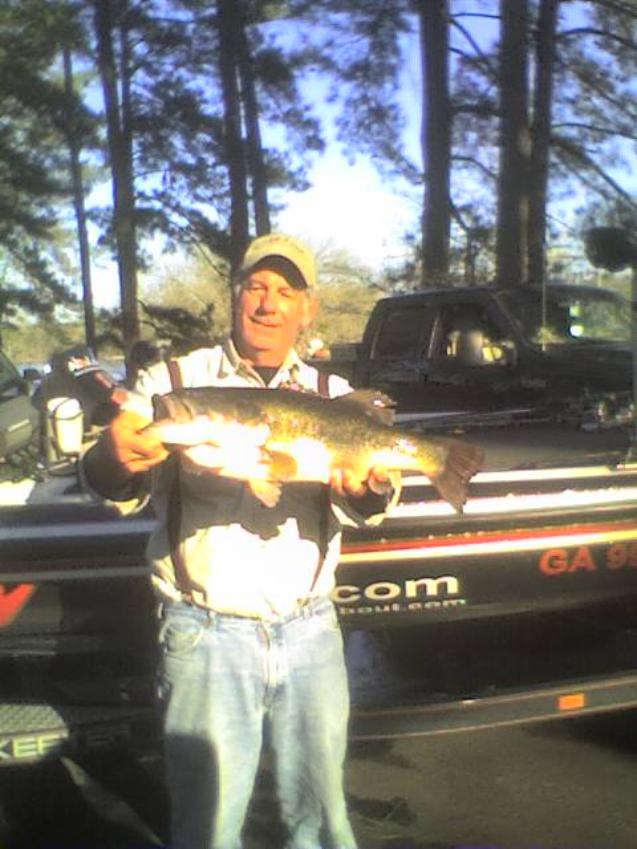
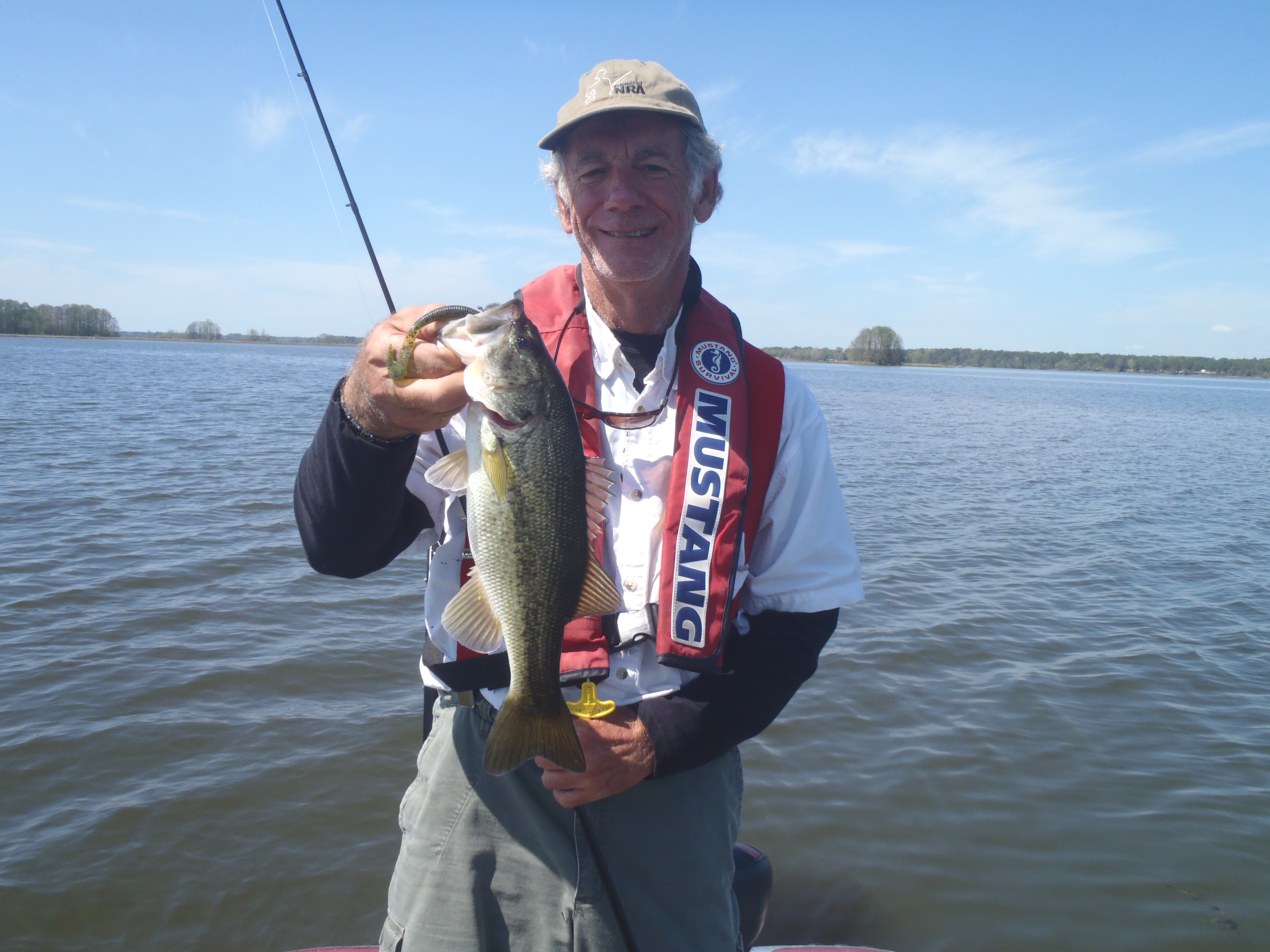
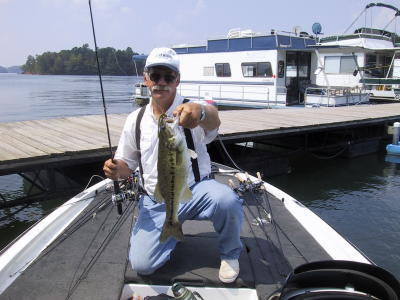
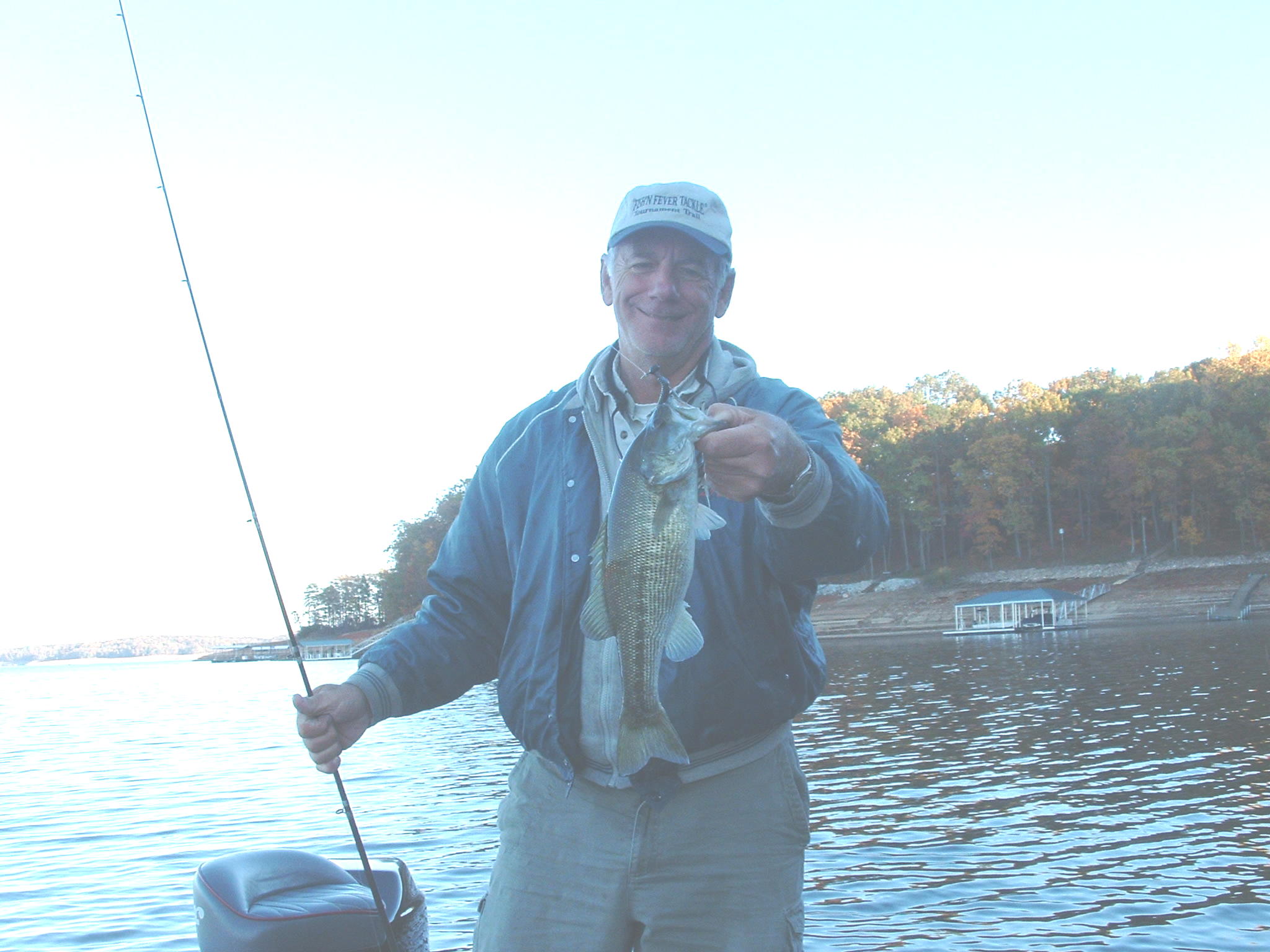
I caught this bass at Lake Seminole

I caught this bass at Lake Seminole

Recreational Fishing: Low Resource Impact, Major Economic Engine
from: The Fishing Wire
(Today’s feature comes to us from the American Sportfishing Association)

A report released today by the American Sportfishing Association (ASA) makes a powerful case that from an economic perspective, recreational fishing is just as important as commercial fishing, despite a much lower overall impact on the resource. According to the report, anglers landed just two percent of the total saltwater landings compared to ninety-eight percent caught by the commercial fishing industry.

This first-of-its-kind analysis – Comparing NOAA’s Recreational and Commercial Fishing Economic Data, May 2013 – provides an apples-to-apples comparison of recreational and commercial marine fishing from an economic perspective using NOAA’s National Marine Fisheries Services (NOAA Fisheries) 2011 economic data. The report was produced for ASA by Southwick Associates. The full report and executive summary are available on ASA’s website.

“It’s something we’ve suspected for some time, but NOAA’s own data clearly shows that recreational saltwater fishing needs to be held in the same regard as commercial fishing,” said ASA President and CEO Mike Nussman. “The current federal saltwater fisheries management system has historically focused the vast majority of its resources on the commercial sector, when recreational fishing is found to have just as significant an economic impact on jobs and the nation’s economy.”

Among the findings are:

  • Anglers landed just two percent of the total saltwater finfish landings compared to ninety-eight percent caught by the commercial fishing industry.
  • Saltwater landings by anglers contributed three times more to the national gross domestic product (GDP, or value-added) than commercial landings.
  • The recreational sector added $152.24 in value-added, or GDP, for one pound of fish landed, compared to the commercial sector’s $1.57 for a single pound of fish.
  • Within the jobs market, the recreational sector made up fifty-four percent of all jobs, both recreational and commercial. This amounts to 455,000 recreational jobs compared to 381,000 on the commercial side.
  • For every 100,000 pounds landed there were 210 recreational fishing jobs but only 4.5 jobs in the commercial fishing industry.

Nussman further noted, “We’re not releasing this report in an effort to demean commercial fishing. Commercial fishing is very important to our nation’s economy! Our goal is to highlight the importance of recreational fishing to the nation. As our coastal populations continue to grow, along with saltwater recreational fishing, significant improvements must be made to shape the nation’s federal fisheries system in a way that recognizes and responds to the needs of the recreational fishing community.”

The Magnuson-Stevens Act (MSA), the primary law governing marine fisheries management in the U.S., was originally passed in 1976 and has been reauthorized several times since. While the MSA has made significant strides to eliminate non-domestic fishing in U.S. waters and end overfishing, many in the recreational fishing community have argued that the law is written primarily to manage commercial fishing and does not adequately acknowledge or respond to the needs of recreational fishing.

“For decades federal management of recreational fishing has been like trying to fit a square peg into a round hole,” said Nussman. “Perhaps the MSA was written to focus on the commercial sector because that’s where 98 percent of the overall harvest is taken. But when you consider that the economic impacts of the two sectors are similar, it makes a strong case for revamping the MSA to better meet the needs of the recreational fishing community.”

The MSA expires at the end of fiscal year 2013 (September 30, 2013), though many expect that a full reauthorization will take a year or longer to develop. On March 13, 2013, the House of Representatives Natural Resources Committee held an oversight hearing focusing on the MSA reauthorization, and more hearings are expected this year and beyond.

Nussman concluded, “ASA and our partners in the recreational fishing community look forward to working with Congress to develop reasonable legislative solutions that will produce a federal fisheries management system that finally works for, not against, recreational fishing.”

Pflueger Purist Rod and Reel Fishing Product Review

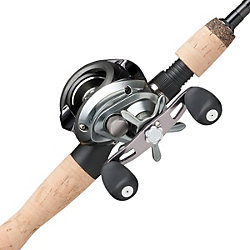
I purchased a Pflueger Purist six foot, six inch Medium action rod (01112BJ)  teamed with a

Pflueger Purist Combo

Pflueger Purist Combo

Pflueger Purist 3LP 7.1 to 1 ratio reel at a Georgia Outdoor Writers Association auction at a greatly reduced price.  The outfit lists for about $100.  I spooled the reel with 12 pound test Trilene line and tied on a #8 Shadrap before a club tournament the next weekend.

I made many casts with this combo that day and it worked well. The rod is a little lighter action than I like, I prefer a little more backbone with a light tip for casting plugs, but this one preformed well. With a rod with this action you are much less likely to tear crankbait hooks from a fish’s mouth.

I did not adjust the antibacklash on the reel and it was a little hard to control the first few casts but it threw the Shadrap a long way. Later I checked and two of the six pins were out, so I popped out two more, a very easy process. The reel seems to cast a few feet less but backlashing is much less a problem. To adjust the magnetic antibacklash you push a button and pop out small spring loaded magnets, or push them in for less resistance.

The reel is smooth and the drag is easy to set and is very smooth.  The handles are comfortable and I llike the cork hand hold in front of the reel. I do not palm reels, I hold the rod in front of the reel and this rod and reel is comfortable to fish that way. But the reel is very low profile and would be easy to palm if that is the way you fish a baitcaster.

I like the outfit and will definitely use it for a variety of crankbait, It is an excellent outfit for the price.

For more info, visit the Pflueger web site.

How and Where To Catch Georgia Spotted Bass

I saw this bass holding under a dock and caught it on a Trick

I saw this bass holding under a dock and caught it on a Trick

Best Bets for Georgia Spotted Bass

Tell a bass fisherman spotted bass are not native to Georgia and he will look at you like you are crazy. After all, every big lake in the state has spots in them, and in many of our lakes they outnumber largemouth by a wide margin.

Add that spots are bad for the largemouth population in most lakes and you really will get that “You are crazy” look, and will get many arguments. Unfortunately, the arguments are “fisherman” knowledge and are not based on biology or science. The misunderstanding about how spots affect a lake is one reason they are so widespread.

Spotted bass are native to the Mississippi River drainage, including the Tennessee River that has some tributaries that barely touch Georgia, but Georgia waters are not in their native range. Spots were stocked into every lake in Georgia, mostly by fishermen that liked to catch them. They do have some good qualities but also change the dynamics of a lake and affect the largemouth population in negative ways.

WRD Senior Fisheries Biologist Anthony Rabern is responsible for northeast Georgia lakes has some interesting information about spotted bass. For one thing, spots don’t really move from one lake to the next one downstream naturally. It is possible for them to get through a dam and move downstream, but unlikely. So the spots downstream of Lanier in West Point, Bartletts Ferry and others probably did not get there through natural means.

Spots are more aggressive than largemouth, one of their endearing qualities to fishermen. But that also means they out compete largemouth for food, so a few spots can turn into the predominate species in a lake fairly quickly. Spots are fun to catch and pull hard, but they don’t grow as fast as largemouth and don’t reach the same sizes as largemouth.

Lakes can support a certain biomass per acre of bass. Since spots don’t grow as fast or as big as largemouth but are more aggressive, that lowers the average size of the bass in the biomass. Spots compete with largemouth for the available food, and usually out compete the largemouth.

For a theoretical example, if a lake can support 100 pounds of bass per acre, it does not matter if it is 100 pounds of spots or 100 pounds of largemouth, or a mixture of the two. So with largemouth, you would expect to find a variety of smaller fish in the one pound range, a good many in the two to three pound range, and some above five pounds. But with spots you would tend to have 100 one-pound fish.

Spots also act differently. They roam the lake more and chase baitfish. Rabern says when they tag a largemouth bass and release it at Point “A” in the lake it will usually stay near that point the rest of its life. But a spot may be tagged and released up a river and show up near the dam a few days later, even in big lakes.

This roaming and following baitfish is the reason blueback herring really help the spotted bass population in a lake. Bluebacks cause a lot of problems when established in a lake, but under the right conditions they become the favorite food of spots and make them grow bigger and fatter. Lake Lanier is a good example of that interaction, but it does not happen on all lakes.

Two north Georgia lakes offer opposite extremes. At Lake Chatuge there are large numbers of spots but most are 10 inches long or less. Those ten inchers still fill the biomass and reduce the number of largemouth in the lake. Lake Burton has a lot of big spots, and the state record 8 pound, 2 ounce spot came from it. Two similar lakes with very different results from the introduction of spots.

Many lakes in Georgia have gone from no spots to two-thirds spots and one third largemouth in just a few years. Where fishermen used to catch a variety of sizes of largemouth they now catch a bunch of small spots. It is fun to catch a lot of bass, but you give up catching quality fish in most cases when spots take over.

Each club in the Georgia Bass Chapter Federation sends Creel Census reports to Dr. Carl Quertermus at University of West Georgia each year, reporting on each club’s tournament catches. One of the questions is the percentage of bass that are largemouth, and that data shows the trend when spots get into a lake.

Lanier has long had a good spot population but in 1994 27.49 percent of club tournament catches were largemouth. By 2010 that was down to only 10 percent. Allatoona is also known for having spots for many years. In 1994 26.71 percent of bass were largemouth, by 2010 it was 9.8 percent. The largest average bass at Allatoona in 1994 was 3.27 pounds, by 2010 it was down to 2.81 pounds. At Lanier the average size of the largest bass actually went up from 3.49 pounds in 1994 to 3.75 pounds in 2010.

West Point did not have a large population of spots in its early years but they are much more common now. In 1994 90.17 percent of bass in club tournaments were largemouth, but the 16 inch size limit on largemouth may have impacted that number of spots weighed in. By 2010 only 34.3 percent of the catch was largemouth and the average largest bass went from 4.56 pounds to 4.27 pounds.

The following lakes give you a good chance to catch spots, some of decent size, this spring.

Lake Lanier

Spots have been in Lanier almost since it was dammed. Back in the 1970s you could catch them but most were small. After bluebacks were introduced to the lake the spots grew in weight and now you can catch big spots there. Unfortunately, not all lakes respond to this combination like Lanier.

Three pound spots are common on Lanier and five pounders are weighed in at most tournaments. Seven pounders are caught every year and some fishermen say they have had on eight pound plus spots. You have a change of breaking the state record for spots on Lanier in May.

Spots are aggressive when on the bed, and in late April and early May some are still bedding since spots tend to bed later than largemouth. If you find one on the bed you are likely going to be able to get it to hit on just a few casts. So looking for bedding bass is a good tactic. Drop a small jig and pig or Texas rigged worm in the bed and the spot will eat it.

Herring spawn in May on open water cover like shallow gravel bars, and the “blowthrough” fishing for spots on the herring spawn is fantastic. Go out to just about any island or long point on the lower lake below Browns Bridge and throw a big topwater bait like a Zara Spook or Sammy at first light and you will catch some big spots.

A spinnerbait, soft or hard jerk bait or swimbait also works well in the same places. You are looking for a gravel bottom in six feet of water or less and should work your bait from very shallow out to 15 feet deep. Spots will come up from cover to smash the bait even after the early morning feed when they are roaming the gravel looking for herring.

After the sun gets up the spots will hold on deeper cover like brush piles and standing timber but will still come up to hit baits fished over them, especially if wind puts some chop on the water. You can also fish the cover with a jig head worm, drop shot rig or small jig and pig to catch them where they are holding. Look for cover in 25 to 30 feet of water, especially toward the end of the month, and work your bait through it.

Lake Burton

Lake Burton is another success story where blueback herring and spots have produced a good fishery. The Georgia Department of Natural Resources, Wildlife Resources Davison says it is a quality spotted bass fishery. An adequate food supply, mainly blueback herring, coupled with a spot population that tends to have fish that live longer, make big spots common.

The state record spot came from Burton and the WRD says it has the potential to produce a new world record spot, weighing more then the current 10 pound, 4 ounce fish. There are above average numbers of spots over 12 inches long and above average trophy fish, so if you want a wall hanger spot Burton would be a good choice.

The same patterns for the blueback spawn that work at Lanier will work at Burton. Another pattern that works well on Burton is to fish a Super Fluke and Texas rigged worms around boat docks and blowdowns in deep water. The lower lake is the best area to catch big spots.

West Point Lake

The population of spots at West Point has exploded in the past 15 years and there are some big spots in the lake. Bluebacks have been showing up there, too, but the population is not dense enough yet to really offer a good spawn fishery. Spots tend to rely on shad on West Point and the shad spawn is pretty much over by May each year, but you can still catch some on the places the shad spawned.

Fish a gravel point below the Highway 109 Bridge before the sun comes up and you should have good action. A Spook or Sammy work well, but since the spots tent to be smaller also throw a smaller bait, like a Pop-R, on those points. They can get the smaller bait in their mouths easier and you will hook more of the fish that hit.

After the sun gets up throw a Finesse worm on a jig head on those same gravel points, fishing from right on the bank out to 15 feet deep. Drag it along and then hop it every foot or so to draw their attention. A little chartreuse on the tail of the worm really attracts spots, so dip your favorite color in JJs Magic.

Fish the same bait or a small jig and pig on rocky points on the lower lake for spots, too. If the water is clear, browns and green pumpkin work well, but if it is stained try black and blue. Keep in contact with the bottom but hop the jig and pig along, imitating a fleeing crayfish. Spots love crayfish.

The bridge riprap and pilings on the railroad causeway, Highway 109 and in Wehadkee Creek are also good. A light one-eight ounce jig with a small chunk works well on the riprap and the light weight will keep you from getting hung in the rocks too much. Try a small crankbait on the rocks and around the pilings, too. Shad or crawfish colors work well.

Jackson Lake

The transition to spotted bass on Jackson Lake is the one with which I am most familiar. The two bass clubs I am in each fish it three times a year, and I have been fishing it since 1974. My first two eight pound bass came from there in club tournaments in the 1970s, and my best ever, a nine pound, seven ounce fish came in a club tournament there in 1992.

We have had some memorable catches. The day I caught my second eight pounder there were two other eight pounders weighing a little more weighed in. I netted a nine pound, two ounce bass for my partner in one tournament where there was another nine pounder, an eight and a seven the same day. We seldom fished Jackson without a seven pound plus fish being weighed in, but there has been only one weighing over seven pounds in the past 10 years.

In 1992 at a weigh-in someone said “That looks like a spot,” and it was, the first we ever weighed in. Now at least three fourths of the bass we catch are spots and we have had many tournaments where not a single largemouth was brought to the scales. In the Creel Census Report, in 1994 99.52 percent of bass were largemouth. The percent largemouth was in the upper 30s to low 40s the first nine years this century, but for some reason in 2010 largemoouth were 52.1 percent.

There are some big spots in Jackson and we usually have some over three pounds, with an occasional four pounder. The best bet this time of year it so throw a topwater popper around rocky points on the main lake early in the morning. If you can find a May Fly hatch it really makes it better.

After the sun gets up back off and throw a jig head worm on the rocky points. Use a five inch worm in green pumpkin and dip the tail in dye to make it more attractive to spots. Work it from right on the bank to 15 feet deep. Rocks are the key to catching spots on Jackson.

Lake Russell

Lake Russell is full of spots and some of them are big. Club fishermen transported spots from Lanier to Russell as soon as it was built and they have taken over. In 1994 99.83 percent of bass in club tournaments were largemouth. By 2010 that was down to just 42.3 percent largemouth.

The simplest pattern for finding spots on Russell is to run the poles marking the channels and fish around each one. The poles mark the ends of points in most cases and many have rocks around them. Fishermen have put out brush around most of them, too.

Fish a Spook over the points around the poles in the morning then fish them with a small jig and pig or jig head worm. Probe for the rocks and brush and jiggle your bait when you hit cover. Make it quiver in one place as long as you can. Doodling was invented for spots and it works wherever they live.

Also try the riprap. Shad spawn on it so a spinnerbait or topwater works well around the rocks on the many bridges in Russell. Soft jerkbaits like Flukes are good, too. Fish them as an angle to the rocks, keeping your boat in fairly close. Cast right on the bank and work the Fuke back to the boat parallel to the rocks.

These patterns and techniques will work on most any lake with spots, and that means most of our lakes. Give them a try. Rocks are always the key, and clear water is usually best for spotted bass, so stick with clear water lakes.

Spots are here to stay, no matter if they are good or bad for a lake. There is no size limit on spots on any lake except Lanier, so if you want some fish to eat take home a limit of small spots. They taste good and removing them won’t hurt the lake. In fact, it may help.

How To Catch Lake Murray’s Pre-Spawn Bass

ronwpshallowlmMurray’s Pre-Spawn Bass Fishing

This big lake on the Saluda River offers a lot of water to cover to find bass. Here are some tips that will help you find the bass this month.

March is a great month to be a bass fisherman. Warming waters and longer days kick in the spawning urge and bass move shallow and feed, getting ready to bed. Some early spawners even start bedding. That means bass are hungry and easy to catch. Lake Murray is one of the best bets in the state to find those hungry bass.

Murray is a 50,000 acre South Carolina Electric and Gas Company lake on the Saluda River. It has about 500 miles of shoreline and runs 41 miles east to west from the dam up the river. When the dam was completed in 1930 is was the biggest earth and rock dam in the world and it backed up the largest reservoir in the world at that time.

Until a few years ago Murray was full of grass like elodea and hydrilla. That submerged grass made the bass populations expand and the fish grow bigger. Big tournaments were attracted to Murray and fishermen brought in huge stringers of bass. It was called a world class fishery by visiting professional fishermen.

Since the grass interfered with pleasure boating huge numbers of grass carp were released in the lake, and they did their job only too well, cleaning out almost all underwater vegetation. Due to the loss of the grass the bass populations have started to suffer. They got a little help when the lake levels went up and down a good bit starting three years ago. That allowed some grass to grow on exposed ground and it was flooded when the lake came back up.

The good news is there are plenty of quality fish in Murray and March is a great month to catch them. But you will have better luck if you concentrate on certain areas of the lake and use some proven techniques. To help you get started three fishermen that know Murray well and fish it often agreed to share their March tactics.

Captain Rob Thames got started bass fishing as a child and got into tournament fishing in 1974 when he and his father joined the Lake Murray Bassmasters club. He and his father also helped found the Mid-Carolina Bassmasters. He is now a full time Coast Guard licensed bass guide and is on the water most days, studying the habits and movements of Lake Murray bass.

“Bass are staging for the spawn in March, moving up into the bedding areas,” Thames said. He added that some will be spawning by late March in years when the weather is warm. These shallow fish can be caught in a variety of ways.

The northern creeks on Murray always warm up first and are the best bet for shallow bass in March. Since the lake runs east and west, wind is often a problem. But if you put in at the dam at the power company public ramp on the north side of the dam or at Dreher Island State Park you can stay on the north side of the lake and be protected by the long points. Thames says the best fishing is from the dam to the state park in March. The bass move up earlier on the north side since the sun warms it more so that is the area you want to fish.

Cover is crucial in March and there is little left since the grass is gone. You should look for boat docks, boat ramps, brush piles and rocks this time of year. The bass will hold on any cover and feed until the water temperature gets right for them to bed. They will be feeding on shad, bream and crayfish in the shallow water.

Have a crankbait in a shad pattern rigged. Thames likes Bandit, Lucky Craft and Strike King baits and they all work well. He will fish them around dock posts, ramps and even brush piles. He says don’t be afraid to put your crankbait right in the middle of a brush pile to get a bite. You may get hung up but you may hang a bass, too.

Dock posts are excellent cover this time of year and Thames will make his casts so his crankbait deflects off them on the retrieve. He follows up the crankbait with a jig and pig, pitching it around the dock posts, too. Let it fall and hit bottom then shake it and hop it a couple of times before reeling in for another cast.

An Omega Jig in browns and greens, with a Zoom Super Chunk in brown or green pumpkin is his choice for this kind of fishing. It also works well when hopped down a ramp or worked through a brush pile. Fish it slowly in brush, jiggling it as it comes up a limb and falls off. Give the bass plenty of time to hit it.

Both those baits also work on rocks. Look for rocks on points and off the bank in three to five feet of water, and around boat ramps. Rocks and boat ramps are especially good when the sun is warming them in March. Work the rocks and boat ramps from different angles with both baits.

For a backup plan, especially if a cold front comes through or if the weather stays cooler than normal, look for deeper brush piles. You can often find them out from docks or along the channels going into coves. Also check out on points at the mouths of spawning areas. Look for brush in five to 12 feet of water for bass holding and waiting on better conditions.

Fish the brush piles with either your jig and pig or soak a Senko in them. Sometimes a Senko type stick bait is best since it falls slower and gives the bass more time to decide to eat it. Fish both baits very slowly and work the brush you find carefully.

Norm Attaway has been a professional bass fisherman for over ten years and was the BFL Angler of the Year in the Carolina Division in 2001. Last year he fished the BASS Tundra Series and finished in the top ten in all but the last two tournaments. He guides on Murray when he is not fishing tournaments and did an Orlando Wilson TV Fishing Show at Murray. He knows the lake well and has watched the changes it has gone through the past few years.

“Late February though March is my favorite time on Murray,” Attaway said. The bass are moving onto the flats getting ready to spawn and some big females are bedding in March if the water is warm. They will be holding on cover and feeding this time of year.

Attaway likes boat dock posts and broom straw out on the flats for fishing in March. The broom straw grass grew up when the lake was low then got flooded when the water came up. It holds bass this time of year, especially out in the middle of flats in five or six feet of water. He also looks for docks near the flats in the same depths.

The best areas of the lake in March are on the north side since they are protected from strong winds and the sun warms them faster than on the south side. Although a cold front will push them out of the shallows they won’t go far and you can find them and follow them back in as the water starts to warm again.

You can often see fish in the shallows, according to Attaway, and that tells you where to fish. The clear water allows you to spot bass up shallow either looking for a bedding spot or already on the bed.

Attaway will fish for them with a brown hand-tied Ernest Langley jig with a green pumpkin chunk trailer. Fish the jig around the dead grass and let the fish tell you how they want it fished. Try swimming it through the grass and also letting it hit bottom and make short hops with it. Sometimes bass favor a moving bait and other times they want it on the bottom, so try both. When you catch a bass, keep doing what you were doing when it hit.

Also pitch your jig to boat dock post and work it around them. Try both retrieves there, too. And if they want even a slower moving bait, try a stick bait like a Senko. It falls slower and you can fish it even slower then a jig and pig.

If a cold front comes through back out to a little deeper water and look for rocks at the mouths of the spawning flats. Fish your jig around the rocks to get strikes from bass that have moved out to wait on warmer water. You can also catch bass on rocks like this if March is unusually cold and they are slower moving in. They will be holding on rocks until the water warms.

Boat ramps offer a good spot for bass to hold and the sun warms them, making them even better. Attaway says you can get on a good pattern some days just fishing boat ramps. Work the jig along both sides, down the middle and make several casts so you cover the end of the ramp where it drops off.

As a back-up Attaway will always throw a Basstrix four or six-inch swim bait over the grass. He says sometimes the catch can be incredible for quality bass on a swimbait but this bite is inconsistent. You may load the boat one day and not get a bite the next day. But try it, and if you catch a bass keep throwing it. It can pay off big.

Fluorocarbon line in 20 pound test is Attaway’s choice for his jig and swimbait. He drops back to 12 pound line for stick bait fishing since it is a more subtle presentation. He wants the heavy line on jigs and swimbaits to make sure he lands anything that hits and the fish don’t mind the heavier line. On stick baits the lighter line gets more bites.

Attaway usually puts in at the Larry Koon Boat Landing, also called Shull Island ramp. It is convenient for him from his house and gives him a central location on the lake. If you use it you will have to run across to the north side of the lake to fish, but if you are coming in from the south that may be much shorter then driving around the lake.

Paul Ham lives in West Columbus and fishes Murray every chance he gets. As a member of the Sandhill Bass Club he fishes club tournaments on the lake. He also fishes the Low Country Fishers of Men Trail and the Carolina Angler Team Trail on Murray. He has done well in tournaments there and says March is a good month on the lake.

Ham agrees March is a good time to find fish shallow near the bank getting ready to spawn. He will often spend time before a tournament searching for visible bass to know where to fish. One good way to spot bass in the clear water is to get your boat in about 20 yards off the bank and ride with your trolling motor, looking for cruising bass up in five feet of water or less. If you see the bass cruising you know they are there.

The north creeks on Murray are where Ham will be fishing now. He says Camp, Bear, Johns and Beards Creeks are his favorites. Those are the creeks on the north side between the dam and Dreher Island State Park so he suggests putting in at the state park, Hilton Recreation Area or at Lake Murray Marina or Lighthouse Marina. All will give you good access to the north side creeks.

Warm weather and calm winds bring the bass in, often as early as late February. Wind, cold nights and rain may delay them coming in or push them back out. But under normal conditions you can fish the banks back in spawning coves and catch bass during March.

First thing in the morning Ham will start with a stick bait like a Senko or weightless worm and fish them slowly, letting them wiggle their way down near brush, dock posts or any other cover he finds in the shallows. Fish the baits slowly. He says many fishermen work stick baits and floating worms way too fast. You need to let them sink and pull them back up to sink again, not work them with a constant jerking motion.

Ham will then switch to a buzzbait or buzz frog like the Zoom Horny Toad early in March, looking for active bass, especially as the water gets warmer. Run both baits over and around any cover in three to five feet of water. These are good baits to use to locate active bass.

With all your baits stay way back and make long casts. Ham says fishing pressure has made bass on Murray spooky so you need to stay far enough away from them so you don’t scare them.

Another good bait is a jig head worm. Ham likes the Buckeye Pro Model with the spring screw in eye. That arrangement holds the worm on better for the long casts he wants to make with it. He fishes it on the bottom on ten pound test fluorocarbon line. A green pumpkin worm is the best bet on the jig. A jig and pig in greens and browns, to match the crayfish the bass are feeding on, is also good. Work both baits with short hops and let the jig head stand the worm up.

Don’t pass up looking for and fishing for bedding bass, especially in late March. Ham says many fishermen are catching bass on the bed even if they are not sight fishing. Drag a green pumpkin six inch lizard on a light Texas rigged weight or a Carolina rig across bedding flats. If you feel a thump but don’t hook up, throw right back. There is a good chance a bass “blew” the bait out of the bed and might eat it on the next cast.

The Camp Creek area called Crystal Lake is especially good for bedding fish, according to Ham. The water is usually very clear and warms early, and you can sight fish or blind cast in deeper water on gravel and sand bottoms to find bedding bass.

These three local fishermen offer you a variety of baits and methods to fish. They all agree you should stay on the north side of the lake and fish shallow water for prespawn fish. If a cold front comes through back off and fish a little deeper cover.

The lack of grass is hurting Murray but it also means the bass are more concentrated on the cover that is available. Get on the lake this month, try these tactics, and you will have a great trip.

Big Georgia Bass and Fishing Clarks Hill

I was happy with this keeper bass

I was happy with this keeper bass

Week before last was a good week in this area of Georgia for big bass. A young man from Griffin caught a 7.53 pound bass at High Falls Thursday afternoon that week and a fisherman from the Oconee Lake area got a bass weighing just under 12 pounds there the same day.

Peyton James was fishing at High Falls Thursday afternoon when the 24 5/8ths inch bass hit a Pop R. Any fish caught on topwater is exciting but one this size will make your heart stop. He also got a 2.5 and a three pounder soon after the big one hit.

At 15 years old Peyton is just getting started bass fishing and he was mentioned here when he did well in his youth bass club tournament at Lake Sinclair a few weeks ago. Peyton is a member of the Jr. Bass Procasters Club in Macon and he made that club’s state team this year.

That team won the state tournament in March at Lake Sinclair with 40 pounds of bass. The youth teams send their top six to a state tournament, just like the adult clubs. Peyton’s club has won the tournament the last two years and many on that team were on the Flint/Spalding Youth Club team that won the state championship the two years before that.

Congratulations to Peyton – many of us adults fish for years without catching a bass that big.

I was on the way to Clark’s Hill last Thursday when Peyton’s father called me about the big bass. Soon after that I got a call from Jeremy York, owner of Anglers Warehouse in Athens. A friend of his had caught a huge bass that afternoon at Lake Oconee that they thought would weigh 14 pounds, a new lake record.

I told them they needed to get it weighed on certified scales with at least two witnesses just in case it was a lake record. Turns out the bass weighed just under 12 pounds – you know how we fishermen exaggerate! – just under the state record. It is still a great catch. I didn’t get any info on how it was caught.

This is a great time of year to catch a big fish since the females are shallow looking for beds. There are many ways to catch them.

Last Saturday and Sunday 13 members and guests of the Spalding County Sportsman Club fished our April tournament at Clark’s Hill. We caught a lot of bass even under the cold, windy conditions that surprised us.

There were 103 bass weighing about 174 pounds brought to the scales. We had 15 limits weighed in during the two days and everybody caught some fish. Bass were caught on a wide variety of baits, from topwater to jig head worms.

Kwong Yu won with ten weighing 22.30 pounds, Raymond English was second with ten at 18.84 and I was third with ten weighing 17.06. Al Rosser was forth with six weighing 15.05 and his 3.77 pound bass tied one the same weight caught by Billy Roberts for big fish. Niles Murray came in fifth with nine bass weighing 14.64 pounds.

After a disastrous practice day Friday when I never got my boat in the water, Al and I both had limits before 10:00 AM Saturday. We found fish feeding on some rocky points and caught most of them on Shadraps but also got fish on a jig and pig, Carolina Rig and jig head worm.

Al had two big ones, almost the same size. One hit a Carolina rigged lizard on a wind blown point and the other smashed a Fluke back in a pocket. He had seven keepers that day and I had 11, but his two big ones put him in first for the day and I was in third.

Sunday we ran to those points and caught three on Shadraps but that was it. I managed to scratch out three more keepers over the next six hours, all on jig head worms, for a limit but Al was not able to catch another keeper.

The wind was awful. One point I like to fish we had to crank the gas motor and move upwind of it, make a few casts as we blew backwards by it with the trolling motor on high, then crank up again. I could not keep the trolling motor in the water the waves were so bad. That kind of fishing is miserable!

How To Catch Arkansas Walleye

Tony Roach caught this big walleye

Tony Roach caught this big walleye

Arkansas Walleye
By Tom Neustrom

You could say we northerners sometimes migrate with the geese, or more like snowbirds, to places far from the frosted lands. No doubt, the warm sun on one’s back is reward enough, but for many anglers, it’s the pursuit of openwater alternatives that lure us southward. For me, even a week or two below the Ice Belt recharges my fishing soul and preps me for the final few weeks of ice fishing.

This past November, veteran walleye chasers Mark Brumbaugh, Tony Roach and I had the opportunity to track walleyes in Arkansas. We were like three giddy kids, knowing the potential and possibilities that lurked in Lake Ouachita. Trailering down, our big Lund Pro-V’s became our navigational chariots. But before embarking, we did what all intuitive anglers should – we got a pep talk and mini seminar from a deeply entrenched local.


In this case, it was the guiding icon, Jerry Bean. He’s an approachable southern gentleman and mountain of a man. Shaking his hand is like being on the wrong end of a vice grip. Jerry is a guide’s-guide that knows every inch of Lake Ouachita, every nook and cranny that walleye hide throughout the year. Mark and I had the distinct pleasure of sharing an afternoon on the reservoir with Jerry. We became his students, realizing that we were far from home and needed to listen intensely to the Lake Ouachita professor. Both Mark and I are walleye veterans with deep knowledge of the sacred species, but we were there to listen, learn, and absorb.


Jerry opened by expressing how essential it is to locate pods of baitfish – shad – that can range as deep as 50-feet. Besides the points and inside turns that Mark and I were familiar with from fishing northern natural lakes, we came to learn that flooded stands of trees and brushpiles, even random groupings, were magnets for baitfish and walleyes in the vastness of Lake Ouachita. There are also monster striped bass that patrol the same food-forests, adding potential shock and awe with light tackle.

Fishing wood can be tricky and Jerry has found that heavy jigging spoons (1/2-ounce plus) effectively imitate native baitfish with their flash and wobble. That, and staying vertical is critical in the presence of so much lumber. With a watchful eye on his electronics, Jerry puts that spoon right in the grill of these often suspended fish with the accuracy of William Tell on the apple. My personal pick for spooning in such situations is a Luhr-Jensen Crippled Herring.

When vertically fishing spoons at a multitude of depths, it’s essential to get better feel and control by using a high-sensitivity braid. Suffix 832 is the choice of many, including Jerry, as it lays comfortably on the spool and transmits feel better than anything else in the bait shop. We all agreed that attaching a section of fluorocarbon leader – 18 to 24 inches – with an InvisaSwivels softens the hookset while eliminating line twist, too.

Mark and I barraged Jerry with questions about what other techniques could turn these southern walleyes. Being a lifelong student himself, Jerry said he experiments with presentations learned from walleye articles and tricks picked up from customers from the north.

Two of his mainstay presentations, when not jigging vertically, are running bottom-bouncers with spinners and fresh kept crawlers from a Frabill Crawler Crib; and jig fishing with minnow-imitating plastics, like Trigger X Action baits. Jerry states that all three have their place in his arsenal depending on time of year and fish preferences, which we all know can change by the day.


With so much timber and brush on the bottom of Lake Ouachita, and other neighboring reservoirs, the bottom-bouncer and crawler combo makes for a nasty, snag-stopping trolling pattern that Mark and I are intimately familiar with. We shared some insider information with Jerry on color selection and blade sizes, as well as trolling speeds.

Mark expanded the conversation, talking about the trolling-board techniques that he is so well known for. We talked about jig presentations and Jerry let us know he preferred jig fishing early in the season for walleyes over and around points, creek arms, and sunken islands near shoreline breaks. And there’s the nearly certain probability of catching bonus largemouth and spotted bass, with the occasional bruising striper.

During the afternoon we talked about hard-bodied stickbaits and when to fish them. Jerry said with a smile, “You guys don’t miss much!” We all discussed our favorite styles and brands and concurred that Rapala Husky Jerks and X Raps bang the most fish because of their neutral buoyancy, realistic looks, and enticing wobbles. Fished over the tree tops or on gravel points early in the season, stickbaits are as deadly as any of the arrows in Jerry’s quiver.

Slip-bobber fishing was a relatively new approach for Jerry, and teacher turned student when the discussion came up. We fish small jigs opposed to plain hooks; incorporate attracting beads and even a touch of hair or feather on a jig. Livebait was strongly endorsed by both Mark and I, tipping with a half of crawler, whole shiner minnow, or plump leech – leeches being Greek down this way. (We promised Jerry to find him a source for big black Minnesota leeches.)

Sharing information with one of the best walleye guides in the South was incredibly rewarding. We all learned from each other on his ‘Arkansas Campus of Fishology.’ But most of all, Mark and I came away with an experience we will not forget and made friends with southern guide who is equally as passionate about walleyes.

Editor’s Note: Special thanks to Mountain Harbor Resort on Arkansas’ Lake Ouachita for providing top-flight lodging along with some serious home cooking. Visit www.mountainharborresort.com. Call 501-282-6104 to book a boat with the amazing Jerry Bean.

Fishing the Flint River for Bream

I caught this Flint River bream with black spots on a Mepps spinner

I caught this Flint River bream with black spots on a Mepps spinner

Fishing the Flint River is always fun and bream always bite there. The river is most famous for its shoal bass population, a subspecies of black bass found mostly there and a few other places, but sometimes they are tough to catch. But bream always bite.

The Flint River starts just south of the Atlanta Airport and flows through middle Georgia to join with the Chattahoochee River in Lake Seminole to form the Apalachaicola River. Except for Lake Blackshear it is free flowing with many shoals throughout its length. It is a beautiful river to fish

The Georgia Outdoor Writers Association spring conference was held at Albany, Georgia this year and we got some chances to fish the Flint. I went with fellow member Vic. O. Miller. a local writer who knows the river well. I was warned that he had a habit of turning over boats on the river but we managed to come home dry. I was a little worried. The first thing I did after getting in the boat was put on a life jacket but Vic warned me it didn’t float!

I tried several baits for bass but had no bites while Vic got a lot of hits from bream on his fly rod , so I went with the flow and tied on a Mepps Spinner and started catching bluegill and long ear sunfish. As luck would have it, I also caught two small largemouth.

It was a fun trip and I came back alive and dry!

Fishing the L-28 in South Florida

Fishing the L-28 in South Florida
by Ron Brooks

Way out the Tamiami Trail (US41) about 40 miles west of Miami is a small canal. It was dredged almost due north into the everglades into the cypress head county. Islands of cypress trees on slightly higher ground are sitting in a sea of grass and water that runs about two feet deep. It is the original and unspoiled everglades.

When you hit the 40 mile bend, the road turns northwest. Dixie Webb’s old place was there and we had some of the finest count45ry ham and eggs breakfast feasts I ever ate over the years. About two miles farther on the trail, a canal takes off to the north into the glades. It’s a small canal and if you plan to launch a boat, it will have to be a canoe or kayak or small Jon boat, because there is no ramp there. You had to drop the boat over the guard rail on the highway, between the big Australian pine trees. We had a 12 foot Jon and a fifteen horse motor on this trip in 1977.

The canal was dug and the fill was placed on the east side of it as a dike for about 8 miles north into the glades. Then the canal just stopped. But the dike kept going, because for some reason they started digging on the east side of the dike. We would drag the boat out and over the dike and launch it in the new canal, which ran for many miles back into the interior of the glades.

I’m not sure why these two canals were dug. A story I once heard said they were for access for an oil drilling exploration. There have been several attempts to find oil in the glades, and this may have been an accurate story. Whatever the reason, it left a couple of canals full of fish and not many fishermen.

I was fishing with a good friend from North Carolina and up until noon, we had caught literally zero fish. It was summer; it was hot; and, the fish were simply not interested in anything we had to offer.

At 2PM on the button, it was as if someone turned on a light switch. The area we had fished for the past 8 hours suddenly turned on. When I say turned on, I mean catching a bass on every cast. Without exaggeration, we could cast 5, 6 or 7 times in a row and catch a bass every time!

The whole thing lasted for about an hour, and just as if someone turned the switch off, they quit. We released all of them; most were in the one or two pound category. The biggest was a tad over 7 pounds and was the poorest bass I had seen in a long time. If he had a full belly he would easily have topped ten pounds.

We caught them on a grape/firetail worm. That’s all we fished with back then. In my world it was unheard of to have a huge tackle box and more than one rod and reel. We had two outfits, and a couple of bags of Mann’s grape/firetail worms. Toward the end we were using a lighter to heat up worm pieces and glue them together to make one we could fish with!

We caught 62 bass in that one hour span – as fast as we could get a line in the water. And after they quit, we never had another strike for the rest of the day. I had never seen anything like it before and have never seen anything like it again.

I’ve fished that canal dozens of more times over the years, and had some awfully good days. In the fall, we would take shotguns with us. We ran out to where one of the big cypress heads was close to the dike. In the early dawn we waded out to the east and shot wood ducks and teal. Then we fished for a while. After the sun got a bit higher we would get out of the boat on the west side where the land was a bit dryer. We took our guns and walked some muddy swamp buggy trails and shot our limit of snipe – yes, Margaret the real deal snipe, like a Southern woodcock – before noon. Sometimes in the late afternoon we would roost a couple of wild turkeys in a cypress head and return the next morning before dawn to shoot one when he flew down from the roost. I’ve watched a small herd of deer swim across the canal on more than one occasion. I’ve watched and fed wild otters in the canal. They would hang around the boat – not too close – and wait for you to pitch a fish up on the bank or the dike. And, of course I have counted alligators in the canal as far as the eye could see. But I never, ever had a day of fishing like the one on that day!

Sight Fishing for Bass

Sight Fishing
by: Scott Suggs

I saw this bass holding under a dock and caught it on a Trick

I saw this bass holding under a dock and caught it on a Trick

By Scott Suggs

Maybe it’s cold outside where you are right now, maybe the lakes are all iced over. Or perhaps the sun is shining and the temperature hasn’t dipped below 70 degrees in a while. Either way, if you consider yourself an angler, it’s time to start thinking about sight fishing.

If you are lucky enough to live somewhere where the weather is warm and sunny right now, then it’s time to start employing sight fishing in order to catch bass. If it’s cold where you are, then that gives you plenty of time to start practicing your skills before the fish head to bedding areas. Some of the year’s biggest fish are caught by sight fishing and it’s easiest to do in clear, shallow water. It can be hard to master but can be very productive for bass and other species once the basics are understood.

Sight fishing involves spotting fish in the water – far easier said than done. In my experiences, I simply look for a shiny or bright spot with a shadow over it. The shiny spot is the bedding area. Big bass will find a place to hang out and then proceed to fan the area clear of algae and debris. This produces the shiny spot; the fish produces the shadow lingering over the bed. Spotting the fish any other way is very difficult because bass have evolved in such a way that the tops of their bodies take on the color of their environment enabling them to stalk their prey more effectively.

To see any of the features and fish beneath the surface, a must-have for anglers is a pair of quality, polarized sunglasses. Different people prefer different colored lenses for sight fishing with each offering advantages and disadvantages. Green lenses are more comfortable but are average in terms of contrast. Gray lenses offer more true color distinction but are lacking in terms of contrast. Amber lenses (preferred by most saltwater anglers) can be uncomfortable in the bright sun but offer the most contrast. There is no right or wrong lens color for sight fishing, only personal preference.

Once a fish is sighted, it is important to understand whether or not the fish is still spawning, protecting fry or just hanging out. If the fish is still spawning or guarding a hatch, it will be protective of its bed and will strike more out of aggression, not necessarily out of hunger. In this case, it will be necessary to cast closer to the fish as it will be less likely to leave its bed unprotected. If the fish is not guarding a bed, cast beyond the fish and retrieve it in front of it to get its attention. If the fish is moving, cast in front of it.

When selecting bait for sight fishing, it is not as necessary to mimic prey as it is to make sure your bait is seen. I prefer to fish brightly colored baits to make sure it grabs the attention of the fish. A large 4-inch Berkley PowerBait Power Flippin’ Tube is ideal rigged with a 4/0 wide gap hook; I like white because it allows me to easily see the bait in the water so I always know where it is in relation to the fish. Line size can also be a factor, so the clearer the water, the smaller the line. To give me the best strength-to-diameter ration, I use Berkley Trilene 100% Fluorocarbon line. It disappears underwater and is less likely to spook line-shy bass that can be especially finicky when on the spawning beds.

Once you’ve found a bed, pitch the bait beyond the bed and work it slowly into the middle. Try to move it to the different sections of the bed, and take careful note of the bass’s reaction with each move. What you’re trying to do is determine where the “sweet spot” of the bed is. The “sweet spot” is the area of the bed – for whatever reason – that, when intruded upon by the bait, elicits an aggressive response from the fish. If the fish gets mad enough, it will strike the bait.

Other baits like a Texas-rigged PowerBait Power Worm or a PowerBait Classic Jig or even a small dropshot rigged with a PowerBait Hand Pour Finesse Worm or other similar-style baits can be effective. But the white tube is a tried-and-true sight fishing bait, one that brought a lot of bass to the boat for me over the years.

Sight fishing is an exciting way to fish for bass. It takes concentration, a keen eye, accurate casting and a requisite amount of stealth to be good at it. If the bass are on the beds right now where you live, go give it a try. If it’s going to be a while before your local fish start the spawning process, then you’ve plenty of time to practice.

Scott Suggs is the 2007 FLW Champion and the first angler in professional bass fishing to win $1 million in a single tournament.

What Is Open Water Fishing In The Winter?

Tony Roach caught this big walleye

Tony Roach caught this big walleye

Open Water Fishing In The Winter
by Bob Jensen

What strange winter weather we’ve been having across much of the Midwest, and as I understand, much of the country. It’s warm in areas where it should be cold, and it’s colder than normal in areas where it’s usually warmer. And snowfall is down substantially.

The ice cover on many lakes is weird this year also. On lakes that have good safe ice, the bite has been outstanding. You may have to travel farther that usual this year to find safe ice, but if you’re willing to do so, chances of being successful are very good.

But, if you don’t have the time or inclination to travel farther than normal to go ice-fishing, this warmer, drier than usual weather gives us another fishing opportunity. The medium to large rivers across the Midwest are providing some outstanding walleye and sauger action. The larger rivers will probably require a boat for the best chance at success, but wading anglers can take advantage of walleyes in the smaller rivers. Here’s why the fishing is good in the smaller rivers and how you can get in on the action.

Because conditions have been so dry across the Midwest for an extended period of time, rivers are running lower than usual for this time of year. For that reason, the fish are grouping up even more in the deeper holes. Fish generally like to be in deeper water in these small rivers in the winter, and because there are fewer deeper holes because of the low water, the remaining deep areas have more fish. In smaller rivers, there aren’t as many deep stretches, just deep holes. Find a deep hole and you’re going to find fish. The key is to make them bite.

In winter the water usually runs clearer, and fish in clear water can be finicky. Early and late in the day will be more productive, and night fishing can be explosive. Cloudy days will be better than bright days.

Our catch will consist mostly of walleyes, but smallmouth bass, northern pike, and even muskies will inhabit these deeper areas. A jig/minnow combination will do best most of the time, but at night a jig/action tail soft bait will be better. During the day throw a Fire-ball jig with a three inch fathead or shiner minnow, at night use a Slurp! Jig with a three inch Power Grub. Crawl the jig/minnow combo, swim the jig/Power Grub set-up.

We often hear how you need a slower presentation in cold water, and that’s a good starting point, but you can still catch walleyes on a crankbait in the winter. A Flicker Shad is a good choice: Use the larger, deeper running #7 size during the day, experiment with different sizes at night. At night the fish will move to the shallower water at the edge of the deep holes. When they move shallower, they will be biters, but a smaller, shallower running bait will often be better. Don’t hesitate to try the new #4 size Flicker Shad in the shallows at night.

It’s kind of a bummer that it’s harder to go ice-fishing this year than in past years, but that’s just part of the deal. I’m sure that there will still be plenty of ice-fishing opportunities this year, and late ice always provides some of the best ice action. However, while we wait for good ice, make the most of the low water in the rivers near where you live. You just might find some pretty good warm weather fishing in the winter.