Category Archives: Fishing Tackle

Rods and reels to live bait

What Is Pitching When Fishing?

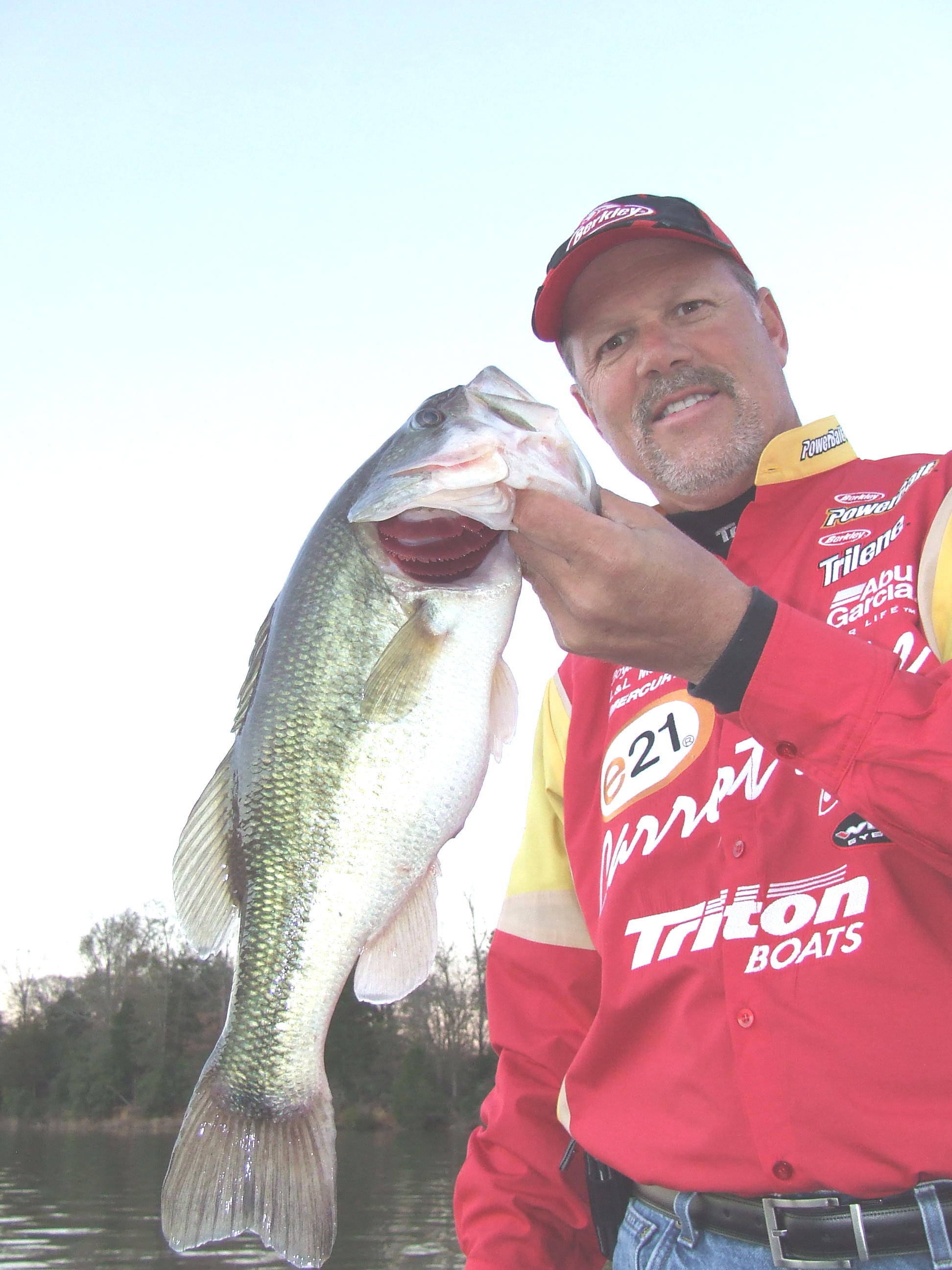
Boyd Duckett caught this nice bass at Demopolis when I fished with him

Boyd Duckett caught this nice bass at Demopolis when I fished with him

What is pitching?

Bassin’ With Boyd: Pitchin’
by: Boyd Duckett

If a bass could build its ideal habitat, the specs would be something like this: shallow water, in or near heavy cover with quick access to deep water nearby. While the nearby deep-water access is good news for anglers (you need some place to float your boat), pulling bass out of water in or near heavy cover can pose some access problems.

Safe and secure in its ideal surroundings, the bass has an ideal ambush point should it decide to feed on baitfish or crawfish. This bass isn’t going to have a very big strike zone, so don’t expect it to come charging out from the cover to devour any fast-moving bait that just happens to be in the area. You are going to have to put this bait right where the bass lives. You may have to get the bait in through an opening no bigger than a coffee can or under low-hanging trees — all the while making sure not to spook the fish by causing a big splash with every cast. You are going to have to pitch.

What Is Pitching?

Pitching is a similar technique that anglers have employed for centuries when they tied lengths of line to the end of cane poles. It allowed them to guide the bait to a desired location. They did this without the high-tech rods and reels we now have at our disposal. It worked fair then but it works even better today. Whether it’s getting your bait in a small opening near heavy cover, under low-hanging limbs or around boat docks, being a proficient pitcher can make your days on the water much more successful.

Ideal for using in off-color or muddy water (as most lakes tend to be this time of year as they are stirred up by the wind and hard rain), pitching is best for targets between 10 and 30 feet away and provides a very quiet lure entry. Standard equipment for me is 25-pound test Berkley Trilene 100% Fluorocarbon line and a 7-foot-6-inch Flippin’ Stick (at least 7 feet in length is a must for a casting rod). It’s a heavy rod with plenty of backbone to wrestle big fish out of cover with a moderate action for easier strike detection.

What To Pitch

A must for anglers who use jigs, nearly any single-hook bait can be pitched, but my all-time favorite bait is a [link url=http://www.berkley-fishing.com/dyn_search.php]Berkley PowerBait Chigger Craw[/link], either as a Texas rig or tipping a large jig. With this Texas-rigged bait on the line, I face the target, depress the line release trigger and let out enough line so that the bait is even with the first guide. With the bait in my off-hand and about waist level, I lower the rod tip toward the water and put some tension on the line. In one smooth, quick motion, I swing the rod tip toward the target and upward, letting go of the bait in my free hand. This is all controlled with the wrist – arm movement is not a factor. As the bait moves beneath the rod tip, release the line and continue raising the rod tip and control the spool with your thumb. The bait should fly just above the water’s surface and should land in its desired location through a combination of line tension and rod movement. Stopping the bait just before it enters the water almost always ensures a smooth, splash-free entry.

Pitching has been a go-to technique for anglers for years. But it takes practice. Set up some drills in the backyard or anywhere else you have room. Even if you can’t be on the water, you can still be sharpening your skills to make the next trip a success. Learn to make accurate, quiet casts and pitching will likely become one of your favorite ways to target big fish.

What Do I Do To Get Tackle Ready for the New Season?

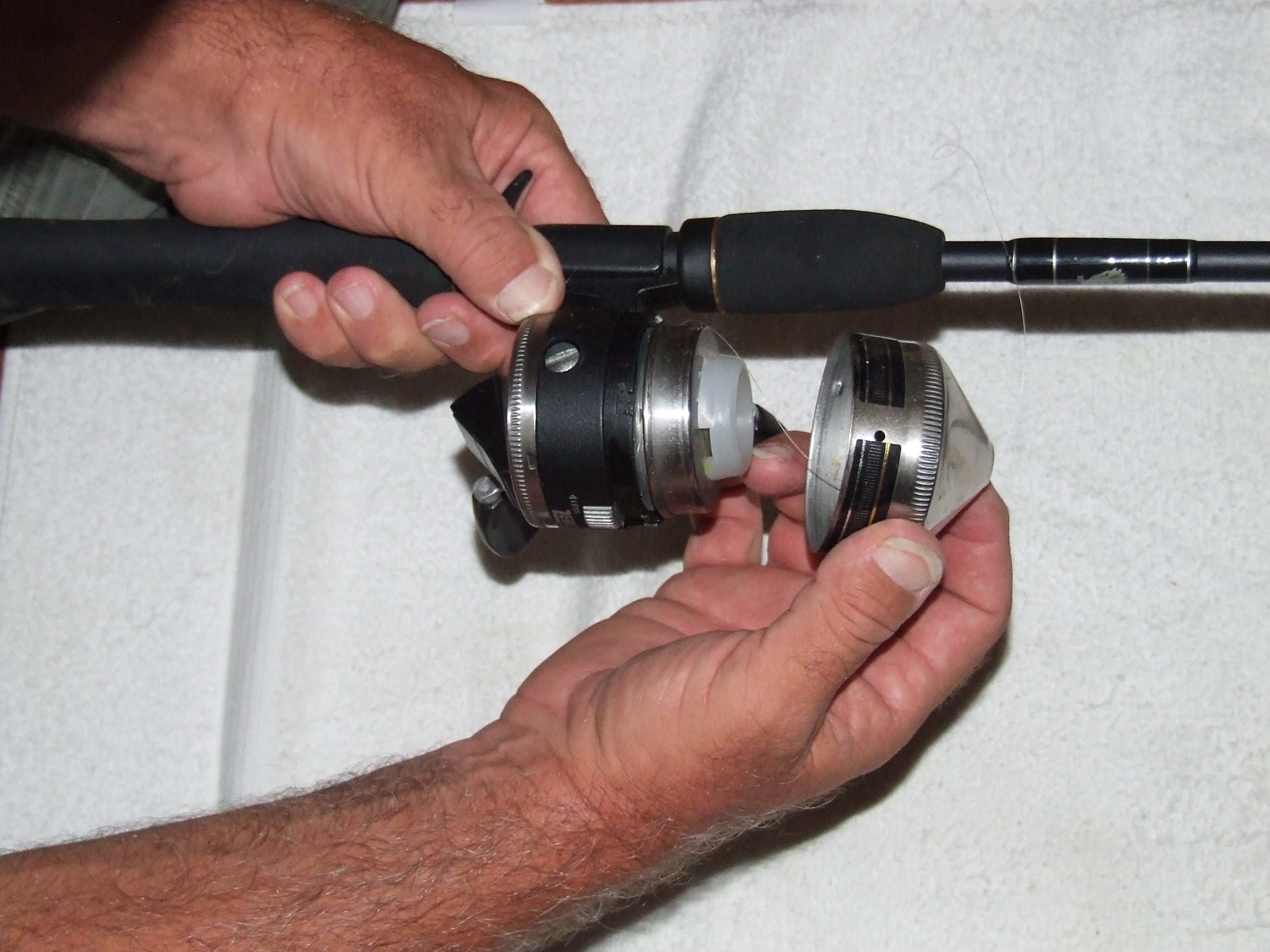
Getting your reel ready for the new season

Getting your reel ready for the new season

by: Glenn Walker

Its time for getting your tackle ready for the new season

With spring right around the corner for many anglers, the cabin fever has set in for many of us. Some anglers have had the opportunity to already wet a line if their lakes don’t freeze over, but for many anglers like me, our favorite bodies of water turn into ice shanty towns and we are still a month or so before we can make that first cast of 2013.

All winter anglers spend their time tinkering with tackle and looking at all the hot new baits for the year. There are a few key items that all anglers can do to not only prepare their tackle

Tip #1: Evaluate Your Tackle Storage System

Keeping your tackle organized allows you to quickly find that fish catching lure, but it also helps keep your lures from getting wrecked throughout the year. By properly keeping your tackle in a Plano Waterproof Stowaway, you won’t have any worries about your favorite topwater plug getting wet and rusty. When organizing your tackle, this is also a great time to see what all you have and if there are some lures you haven’t used in years, then put together a grab bag and give it to a young inspiring angler.

Tip #2: Spool Your Reels with Fresh Line

An anglers fishing line is the key connection between landing that trophy and just having a fish story for your buddies at the dock. Putting new fishing line on your reels is very important and isn’t something that should be put off until you have your line break. Any time I’m spooling my reels up with fresh line, I’ll always spray the spool of the line and run the line through a rag as it goes on the reel that has the KVD Line & Lure Conditioner on it. Doing this will help you get the maximum performance out of your line.

Tip #3: Put New Treble Hooks on Your Crankbaits

Whether you got a batch of new crankbaits underneath the Christmas tree or a bunch of your favorite cranks need some TLC, putting new treble hooks on these baits can help increase your hooking percentage tremendously! The stock hooks that come on crankbaits out of the box aren’t very good and after a year of fishing your favorite crankbait could let you down when you hook up with that big bass. Using a good split ring plier, I spend a good chunk of my winter making sure I have sharp treble hooks on all my baits, and if I don’t, I’ll put on a pair of the new Trokar Treble Hooks. These treble hooks are super sharp and will help you get more crankbait fish in the boat!

Tip #4: Protect Your Investment

Keeping your expensive fishing gear safe happens on two levels, the first is the immediate impact it has, such as keeping your rods and reels protected from damage and from collecting dust when not in use. Using products such as The Rod Glove to cover your rod will keep your rod blank and guides from getting damaged. The second and larger scale way to protect your investment is to do an in-depth inventory of all your tackle, rods and reels, this list, along with photographs will help you recoup your loses should you need to make an insurance claim, due to an unforeseen incident.

Tip #5: If It Don’t Fit, It Sits

Staying warm, dry and safe on the water is the number one goal every angler should have and this doesn’t start when you arrive at the boat ramp, or even the night before a big fishing trip, it starts now. Take the time to make sure your life jackets fit you and your fishing guests properly and that there are no holes or rips in them. A good rain suit is the key piece of the puzzle to staying dry and warm, especially when fishing in the early spring. All winter I keep my Onyx Pro Tech Jacket and Bibs hanging up so they will be ready for my first trip of the year.

Who knows, maybe by the time you are done reading with this it is time to go make a cast and take advantage of every fishing opportunity you have this year!

To read more fishing tips and see informative videos, check out fishglenn.com

What Is the Most Important Bass Fishing Equipment Development?

The modern bass boat is full of amazing developments

The modern bass boat is full of amazing developments

What is the most important bass fishing equipment advancement in the past 100 years? Is it depthfinders, that allow you to know what is under the water? How about monofilament and fluorocarbon line, or braid, all a great improvement over old lines that broke way too easily and were hard to use. Or is it modern reels and rods? How about electric trolling motors? GPS? Lures or plastic worms? Fancy bass boats? The list goes on and on of things fishermen did not have 100 years ago.

I started fishing in the mid-1950s – about 60 years ago. When I started standard equipment was a cane pole, length of line, split shot and hook and a can of earthworms. My uncles used knuckle busting baitcasting reels. There was no free spool on those old reels, the handle was attached directly to the spool so the handle spun backwards as you cast, hitting unwary knuckles.

Line on those reels was a form a braid, nothing like modern braid. Rods were often steel or bamboo. All broke often and were not reliable.

Boats were wooden and you paddled them. Some anglers had small gas motors that were hard to crank and would leave you out on the water way too often. To fish you skulled the boat with a paddle, stopping to fish, or had one person in the boat paddle or skull while the other fished. If you wanted to know the depth of the water you stuck your paddle down or used a sounding line. But few fished for bass deeper than a few feet deep.

I got a Mitchell 300 spinning reel in 1966 – one of the first available at a reasonable price. And it was a big improvement.

Now I fish out of a 20 foot bass boat with a 24 volt trolling motor and 225 HP gas motor that is very reliable. I have about 25 modern rod and reel outfits, including spinning and baitcasting outfits. And I use modern braid, mono and fluorocarbon line. There are hundreds of bags of plastic worms of any color and size you can imagine and I don’t want to count the number of crankbaits, topwater plugs, spinnerbaits and rattle baits I carry.

But to me the most important item is the foot controlled electric motor. With it I can maneuver the boat quietly, hold where I want to fish and have both hands free to cast, work baits and reel in, allowing me to pay more attention for bites.

What do you think is the most important fishing equipment development? Share your thoughts in the comments section below.

Alabama Walleye

by: Jeff Moss
Alabama DNR

Walleye are cool water fish not often associated with the southern waters, but Alabama’s large rivers all contain walleye. In fact, Alabama is home to two subspecies of walleye and several locations have fishable populations of walleye. That is good news because walleye are one of the tastiest fish found in Alabama.

The walleye is the largest member of the perch family, which includes darters, yellow perch, sauger and log perch. Walleye are usually found in large river systems and associated tributaries and streams. They generally prefer secluded backwaters having an abundance of deep, clear water. In Alabama, walleye live an average of seven years and may reach up to 31 inches in length. The current state record (10 pounds 14 ounces) was caught in 1980 in Weiss Reservoir, an impoundment of the Coosa River.

The northern strain of walleye is found in the Tennessee River and the southern strain is found in the Mobile basin and its tributaries. The northern strain has been stocked in waters with the southern strain, but recent genetic studies conducted by Auburn University indicate that these stockings were generally unsuccessful. The best locations to catch walleye include Hatchet and Weogufka Creeks on Lake Mitchell, North River in Tuscaloosa County, the Cahaba River, Oakmulgee Creek in Perry County and the Tallapoosa River near Thurlow Dam. The best time to catch walleye is when they move upstream to spawn.

Anglers have the best chance of catching walleye in January, February and March, fishing live minnows or jigs adjacent to deep drop-offs or holes during spawning runs. The best time to catch walleye is usually during the worst possible winter weather conditions. Walleye typically move into shallow, fast-water shoal areas to spawn when water temperatures approach 45 û 52 degrees F. Spawning runs may begin in December and continue through early April, depending upon water temperature and water conditions. Male walleye are thought to begin their spawning runs prior to the arrival of the larger females. Females disperse their eggs over gravel or sand bottoms but prefer rocky substrate if available and generally spawn in water 12 û 30 inches deep. Concentrations of fish tend to be higher below dams that prevent migration upstream.

During the summer, the most popular method to catch walleye in large lakes is by trolling in deep open water areas, often at night. Walleye have large eyes, which are sensitive to light, and they prefer dark cool-water havens having maximum summer temperatures no greater than 77 degrees F. Walleye can often be found in springs or streams in large reservoirs that serve as thermal refuge areas, which are also attractive to several coolwater species.

Walleye are rated as excellent table fare whether fried or baked. Among the freshwater fishes, none are considered a better eating fish than the walleye and their close relative, the sauger. Both offer firm white flesh with a sweet flavored meat that is preferred among most anglers. In northern and mid-western states, walleye are considered a delicacy at local restaurants where they are legal to serve commercially.

Anglers in Alabama need to be aware of walleye because they are often mistaken for trash fish. Rare encounters with walleye should be noted by throwing the fish in the cooler and enjoying its delicate flavor while telling tales about the big one that got away.

Note – I have caught a few walleye on my trips to Wisconsin each year but have caught only two in Georgia, both at Lake Russell. At one time a few lakes in Georgia were stocked with walleye but they are not successful except in a few of our norther lakes. Carters Lake is one good lake in Georgia where you can catch walleye.