GEORGIA BASS SLAM

CHALLENGE YOUR ANGLING SKILLS WITH A GEORGIA BASS SLAM

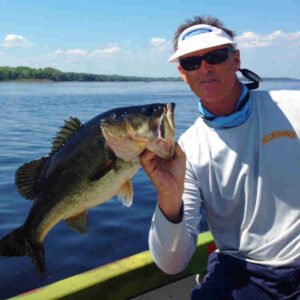
SOCIAL CIRCLE, GA (July 20, 2021) – Catch five different black bass species and you have a Georgia Bass Slam! This program recognizes anglers with the knowledge and skill to catch different species of bass in a variety of habitats across the state, while also stimulating interest in the conservation and management of black bass and their habitats, according to the Georgia Department of Natural Resources’ Wildlife Resources Division.

Georgia’s ten (10) recognized native black bass species are largemouth, smallmouth, shoal, Suwannee, spotted, redeye, Chattahoochee, Tallapoosa, Altamaha and Bartram’s. Anglers can find out more about these eligible bass species, including images, location maps and more at www.BassSlam.com.

How Can You Participate? To qualify for the Georgia Bass Slam, fish must be caught within a calendar year, must be legally caught on waters where you have permission to fish, and anglers must provide some basic information on the catch (length, weight-if available, county and waterbody where caught) accompanied by several photos of each fish. Anglers will submit information to Georgia.BassSlam@dnr.ga.gov for verification. Complete rules posted at www.BassSlam.com.

What is Your Reward? Well, besides bragging rights among all the anglers and non-anglers you know, you will receive a certificate worthy of framing, two Go Fish Education Center passes, and some fantastic and fun stickers (for vehicle windows/bumpers) to advertise your achievement. Anglers also will be recognized on the WRD website, at the Go Fish Education Center (www.GoFishEducationCenter.com), and possibly through a variety of social media platforms. In addition, all successful submissions will go into a drawing for an annual grand prize!

Don’t have time to dedicate to catch five species of bass, but maybe you have your eye on a lunker largemouth? We have a program for that, too! The Trophy Bass Angler Award program recognizes largemouth bass catches of 10 pounds or greater. These fish are rare, and the data from these catches helps to provide genetics and growth information that is valuable to fisheries managers. Those that successfully submit a qualified fish will receive a certificate, hat, t-shirt and an entry into a drawing for a reward package. Oh, and catch one larger than 13 pounds, and you may be eligible for a free mount of your bass! More info at https://georgiawildlife.com/fishing/anglerawards.

For more information, visit www.BassSlam.com.

Bass Are Always Biting Somewhere for Someone

Bass are always biting somewhere for someone on a big lake. The Flint River Bass Club July tournament on Lake Sinclair last Sunday proved this in a big way. In eight hours of fishing, 11 members and guests landed 29 12-inch keeper bass weighing about 61 pounds. There were two five bass limits and one person did not catch a keeper.

Niles Murray blew us all away with five bass weighing 17.08 pounds and his stringer included two identical 4.52 pounders. Lee Hancock placed second with three weighing 8.46 pounds and had big fish with a 4.76 pound largemouth. Doug Acree came in third with fiv weighing 8.39 pounds and Niles’s guest, Otis Budd, came in fourth with four weighing 7.32 pounds.

My day started and ended bad. On the way to the ramp I hit either a hole or something right on the side of the road with my trailer tire. When I got in the boat and Alex started backing me in, I heard the telltale sound of a flat tire. I had not noticed anything wrong until then.

I waited to put the spare on after weigh-in since it is much easier to put it on an empty trailer. Thanks to Doug Acree and Niles Murray for their help, it took only a few minutes. Then Chuck Croft stuck around and pulled me out after I loaded my boat.

In the tournament my start was not good. I missed two hits on a buzzbait, jerking one keeper out of the water all the way to the boat but it came off. Then I caught a keeper on the buzzbati between two docks. There seemed to be no reason for the fish to be where it was.

I noticed some mayflies and started fishing around them but caught only bream. I finally caught a second keeper at 9:00 on a shaky head worm near some brush, then with an hour left to fish caught my third one on a floating worm in grass. My three weighed 3.46 pounds and was good for sixth place, not the day I wanted.

ANGLING FOR CATFISH IN GEORGIA

SOUTHERN SUMMERTIME INCLUDES ANGLING FOR CATFISH

SOCIAL CIRCLE, Ga. (July 20, 2021) – If someone asks if you are coming to the local fish fry – your answers is always “yes.” Especially when that fish fry is serving up catfish. Want to contribute to the meal? Catfishing provides great opportunities for new and experienced anglers, according to the Georgia Department of Natural Resources’ Wildlife Resources Division.

“Angling for catfish is an activity that requires relatively simple gear and is a great way to introduce someone new to fishing, especially kids, so it’s a perfect opportunity to get everyone outside during the summer,” says Scott Robinson, WRD Fisheries Management Chief. “Additionally, catfish are a species found throughout Georgia so angling opportunities are plentiful.”

Georgia’s public waterways are home to several species of catfish, including channel, white, blue, flathead and bullheads (consisting of several similar species – yellow, brown, snail, spotted and flat). While you may not catch them often, the larger species, like flathead catfish, can sometimes reach monster weights in excess of 100 pounds – and that’s no tall fish tale!

What to Use:

If targeting channel and white catfish, fisheries biologists recommend eight to 14-pound test line and medium-sized hooks (size 2 to 1/0) under a bobber or fished on the bottom. Best baits for channel, bullheads and white catfish are worms, liver, live minnows, shrimp, cut bait and stink bait.
For anglers trying to land a large blue or flathead catfish, heavy tackle is a must – large spinning or casting tackle with at least 20 to 50-pound test braid or monofilament line, large hooks (3/0 to 8/0), and heavy weights (1-5 oz) to keep bait on the bottom. Flatheads are ambush predators that prey heavily upon fish, so live or freshly killed fish used as bait will increase your chances. Similarly, freshly caught gizzard shad increases your chances of reeling in a giant blue catfish.
Other methods for catching catfish include trotlines, limb lines, and jug-lines. More info on the regulations relative to these methods can be found in the 2020 Georgia Sportfishing Regulations Book found at https://georgiawildlife.com/fishing/angler-resources.

Where to Look:

In general, anglers should target rocky shorelines, rip-rap areas, points and outside bends of rivers or the submerged river channel. Catfish will stay in deep areas or “holes” during the day before roaming the shallows at night for food. When fishing rivers during the day, anglers should look to deep holes containing rocky or woody cover. During dawn, dusk and at night, anglers should concentrate on shallow sandbars, flats, and shoals near the deep holes fished during the day. Catfish, especially flatheads, love holding near downed trees, so look for these on outside bends.

Georgia’s Public Fishing Areas (https://georgiawildlife.com/allpfas) are great places to target catfish, especially as most of them are open 24 hours a day year-round. Looking for additional locations? Check out the Fishing Forecasts webpage at https://georgiawildlife.com/fishing-forecasts.

When to Go:

Though most species of catfish are active throughout the day, the best summer fishing is at dusk and during the night. Catfish can be caught year-round, with the best bite typically from early spring through the peak of summer. Be prepared to fish multiple areas and if you don’t get a bite within 30 minutes, just try another until you find some fish.

Need a license before you go? Visit www.GoOutdoorsGeorgia.com to purchase a license online or to view a list of retail license vendors, or buy a license by phone at 1-800-366-2661.

For more information on fishing in Georgia, visit https://georgiawildlife.com/fishing/angler-resources.

Fishing Lay Lake With Zeke Gossett

It was nice and peaceful on Lay Lake a few weeks ago on Tuesday and the bass were biting, if you knew where to go and what to throw. Zeke Gossett knows both. I met this young man about eight years ago when he was a sophomore in high school. I set up a trip with him for a magazine article not knowing his age and was shocked. His skills and knowledge of fishing were better than mine!

Zeke won many fishing awards in high school and college, including winning the College Classic on Lay Lake last year. This year he was third in the College Classic in Texas and he and his partner won the point standings College Team of the Year in 2020.

Now Zeke is trying to establish a professional fishing career while guiding on the Coosa River chain of lakes and Lake Martin. His father is one of the best bass fishermen in the area and coaches a high school team that has won high school team of the year two years in a row.

His knowledge of these lakes is exceptional from his own fishing as well as the teaching of his father. I have recommended him to some friends for guide trips and they were pleased. As many good fishermen as I get to fish with doing magazine articles, Zeke is the only one I have done three articles with!

Zeke showed me two good patterns for Lay Lake in August, and they are already working now. Lay is full of shallow grass beds and Zeke caught several nice bass casting frogs to the grass. Bream were bedding and Zeke knows there will usually be a big bass or several around a bream bed.

Another good pattern is fishing the many brush piles fishermen have put out on points and humps. These brush piles in 10 to 20 feet of water are magnets for summertime fish. They hold in them and feed around them day and night.

The night before we fished Zeke had placed second in a three-hour night tournament. He weighed in a three fish limit weighing almost ten pounds in that short time, missing first place by a couple of ounces!

While we fished Zeke caught about a dozen bass on humps and points with brush casting a topwater plug over the brush and working a jerk bait down deeper. I even caught a nice keeper spot while taking a casting break from my pen, pad and camera.

I get to fish with many amazing fishermen doing my magazine articles and Zeke is one of the best. There are a lot of young fishermen out there coming up into the pros and I get to watch as their careers develop. I am jealous!

While we fished many college fishermen were on Lay Lake practicing for a college wild card tournament that was held Thursday and Friday. I was amazed to see college age kids drive up in $50,000.00 trucks puling $80,000.00 boats.

When I was in college I ate 10 cents a can Showboat Spaghetti and loaf bread for dinner to save money. And I was one of the few lucky ones in my fraternity to have a car, an eight-year old hand me down Chevy Bel Air. There were students driving around Athens in new Vets and Mustangs, but they lived and revolved in a different world.

I know some college fishermen drive old vehicles and very well used boats and have done articles with some of them, but they seem to be the exception to the rule. I fear college fishing is developing into a sport for the rich.

Georgia Public Fishing Areas

LOOKING FOR A GREAT PLACE TO FISH? VISIT A GEORGIA PUBLIC FISHING AREA

SOCIAL CIRCLE, Ga. (July 20, 2021) – Searching for a new place to fish? Be sure to start with one of Georgia’s 11 Public Fishing Areas (PFA). PFAs are managed for fishing by the Georgia Department of Natural Resources’ Wildlife Resources Division (WRD), and most offer additional experiences to entertain the whole family.

“Georgia Public Fishing Areas make a great place for both new and experienced anglers,” says Scott Robinson, WRD Fisheries Management Chief. “Even though fishing is the main attraction for most visitors, Georgia PFAs also offer other family-friendly activities such as hiking, bird watching, picnicking and camping.”

Waters on PFAs vary from lakes several hundred acres in size to ponds less than one acre with some designated as kids-only fishing ponds. Anglers can fish from a boat, along the shoreline, or from a pier at most locations.

Many PFAs have picnic tables, nature and wildlife observation trails, fish cleaning stations, archery ranges and restroom facilities. There are camping opportunities on some PFAs (from primitive camping to RV) for those wishing to stay overnight on the area. All PFAs are open seven days a week, and with the exception of Rocky Mountain PFA, also allow night fishing year-round.

Make plans to visit one of the following PFAs today:

Rocky Mountain PFA (Floyd County): Includes two lakes totaling 559 acres. Species: largemouth bass, bluegill and redear sunfish, channel catfish, crappie and walleye. Additional amenities: beach area, camping opportunities.

McDuffie County PFA (McDuffie County): Includes seven ponds ranging from five to 37 acres, a trophy bass catch and release pond, fish hatchery, and an education center. Species: largemouth bass, bluegill, redear sunfish and channel catfish. Additional amenities: camping opportunities.

Big Lazer Creek PFA (Talbot County): Includes a 195-acre lake. Species: largemouth bass, bluegill, channel catfish, redear sunfish, redbreast sunfish, and crappie. Additional amenities: primitive camping opportunities.

Marben Farms PFA (Jasper/Newton counties): Includes 20 ponds ranging from one to 95 acres, a wildlife management area and the Charlie Elliott Education Center. Species: largemouth bass, bluegill, redear sunfish, crappie and channel catfish. Additional amenities: primitive camping opportunities.

Ocmulgee PFA (Bleckley County): Includes a 106-acre lake. Species: largemouth bass, crappie, bluegill, and redear sunfish.

Dodge County PFA (Dodge County): Includes a 104-acre lake. Species: largemouth bass, bluegill, redear sunfish, channel catfish and crappie. Additional amenities: primitive camping opportunities, group shelter facility.

Evans County PFA (Evans County): Includes three lakes ranging from eight to 84 acres. Species: largemouth bass, crappie, bluegill, redear sunfish, brown bullhead and channel catfish. Additional amenities: camping (tent and RV) opportunities, event center.

Flat Creek PFA (Houston County): Includes a 108-acre lake. Species: largemouth bass, bluegill, redear sunfish, crappie and channel catfish.

Hugh M. Gillis PFA (Laurens County): Includes a 109-acre lake. Species: largemouth bass, bluegill, redear sunfish, channel catfish and crappie. Additional amenities: primitive camping opportunities.

Paradise PFA (Berrien County): Includes 60 lakes totaling 525 acres. Species: largemouth bass, bluegill, redear sunfish, crappie, and channel catfish. Additional amenities: tent camping opportunities.

Silver Lake PFA (Decatur County): Includes more than 30 lakes and ponds totaling 537 acres. Species: largemouth bass, bluegill, redear sunfish, channel catfish. Additional amenities: primitive camping opportunities.

Need a fishing license before you go? Visit www.GoOutdoorsGeorgia.com to purchase a license online or to view a list of retail license vendors, or buy a license by phone at 1-800-366-2661.

For more information on PFAs in Georgia or for detailed PFA guides and maps, visit https://georgiawildlife.com/allpfas.

GUSTAFSON DETAILS FLIPPING TACTICS AND TECHNIQUES

GUSTAFSON DETAILS FLIPPING TACTICS AND TECHNIQUES
from The Fishing Wire

Gustafson flipping

Few presentations outproduce flipping when bass tuck tight into shallow cover. Such was the case at the 51st Bassmaster Classic, recently held on Lake Ray Roberts in North Texas. In the weeks leading up to the event, unrelenting rains caused the lake to swell, with high water inundating shoreline brush and trees and providing resident largemouth with nearly boundless opportunities to explore previously inaccessible cover.

“When these big southern reservoirs flood, incredible numbers of bass head for the bushes and stay there as long as the water remains high,” reflected Elite Series Pro and two-time Bassmaster Classic qualifier Jeff “Gussy” Gustafson.

“Typically, by the time June arrives, the best bite is usually offshore, where fish will bite on everything from football jigs to big crankbaits to topwaters – and that’s what I’d prefer to be doing. But the reality is, I’ll be spending lots of time flipping those flooded bushes to get the five quality bites I need each day.”

And flip, he did. By happenstance, I was paired with Gussy as his marshal on day 2 of the Bassmaster Classic, which afforded me the unique opportunity to spend the day observing – and dissecting – the mechanics and mindset of an elite angler competing in an apex-level event. I would be a student in Gussy’s flipping masterclass from the back deck of his Lund 2075 Pro-V Bass boat.

Gussy_2.jpg

Flipping is a short-range, shallow water technique that delivers a bait into heavy cover.

Flipping, of course, is a short-range, shallow water technique that delivers a bait into heavy cover. Anglers swing the lure on a pendulum-like cast and gently feather it into the water, minimizing surface disturbance as the bait plunges quickly to the bottom. “Flipping elicits a reaction strike,” noted the Kenora, Ontario native who won his first Bassmaster Elite Series event earlier in 2021 on the Tennessee River. “Bass will often pounce on the bait as it falls or right when it contacts the bottom; frequently, you’ll feel that fish as soon as you engage the reel and come tight to the bait. My routine is to drop to the bottom, giving the bait a couple shakes if I didn’t get bit on the way down, and then reel in and repeat.”

Gussy

Covering lots of water is the key to finding fishy targets.

With dozens of miles of flooded shoreline available, all brimming with fishy-looking bushes, where does one begin? Gussy remarked, “during practice, I’d start at one end of a long stretch of shoreline and flip my way to the other end. Invariably, there would be one or two key sections that provided consistent bites or larger average size. What makes those areas different from the miles of flooded bushes that aren’t attracting fish? Maybe it’s the bottom content; rocks attract more crayfish than does mud. Sometimes it’s the density of the vegetation; often, an isolated bush provides more consistent action than an uninterrupted line of greenery. Covering lots of water is the key to locating these fishy targets.”

While an individual flip doesn’t necessarily cover a lot of water, the rapid, rhythmic nature of the presentation allows anglers to survey significant territory during the fishing day. Out of curiosity, I counted the number of flips that Gussy made per minute while plying these flooded waters searching for Texas largemouth; each time I counted, Gussy flipped between six and seven times per minute. That’s at least 360 flips in an hour and closing in on 3000 flips for a solid eight-hour day of fishing. With Gussy at the helm, each flip was short, precise, and purposeful. A bush wouldn’t get just one flip; Gussy would flip to the left side, in front, to the right side, and often behind the shrub as well. “You just don’t know where that bass might be sitting or what direction it’s facing; so, you’ve got to cover all the options before moving on.”

Gussy

Gussy flipped up to 360 times each hour in search of quality Texas largemouth.

Precision boat control is an essential yet sometimes overlooked aspect of successful flipping. “I try to stay off the trolling motor as much as possible – just a quick touch of my Minn Kota Ultrex 112 here and there as needed – to avoid spooking these shallow fish,” remarked Gustafson. “I use the wind to push me along if I can, but often, that speed is just too fast to hit all the key casting targets. So if I find myself in a particularly fishy pocket, or when I need a minute to deal with a hooked fish or re-rig a bait, I deploy my twin Minn Kota Talon shallow water anchors to lock the boat in place.”

Gussy

Gussy flipped his way to success using a G. Loomis NRX+ rod paired with a Shimano Metanium reel.

The tournament day began with a broad selection of rods on the front deck of Gussy’s Lund, including rods rigged with a swim jig, a spinnerbait, and even a Texas-sized plastic worm. “Gotta keep ‘em honest,” quipped the Canadian cowboy. Truthfully, Gussy did throw those baits occasionally. Ultimately, however, Gussy caught all of that day’s fish using a flipping stick. His weapon of choice was a G. Loomis NRX+ 895C JWR – a 7’5” rod with extra-heavy power and fast action – equipped with a Shimano Metanium reel. “This combination is incredibly light and sensitive yet extremely powerful and durable. I can flip all day for a week and never have the slightest amount of arm fatigue. At the same time, once a fish bites, the NRX+ 895 rod has the power needed to bury the hook and to get the fish’s head turned quickly, while the 7.1:1 gear ratio Metanium winches it out of trouble.” Gussy spooled his Metanium with 50 lb test PowerPro braided line and threaded on a ⅜ oz Flat Out Tungsten flipping weight, held in place using a small rubber bobber stop. Then, Gussy tied directly to a Gamakatsu 3/0 Super Heavy Cover Flippin’ Hook using a snell knot.

Flipping lends itself to a wide range of lure choices, with creature baits being one of the frequently presented styles. As we waited out a two-hour storm delay, Gussy engaged his neighbor in the take-off line, Bassmaster Elite Series pro Chad Morganthaler, in some friendly dock talk as Gussy asked, “how am I going to flip my way to five keeper bites today?” Morgenthaler, a seven-time Bassmaster Classic qualifier, responded with one word: tubes. As it turned out, Gussy left his entire tube selection with his smallmouth bass gear at home near Ontario’s Lake of the Woods, so Morgenthaler reached into one of his compartments and gave Gussy a handful to try. “Each of us out here wants to see everyone succeed, and we try to help each other out anytime we can,” noted a thankful Gustafson as he rigged up his first borrowed tube.

Gussy

Tubes borrowed from two other Bassmaster Classic competitors let Gussy flip his way into championship Sunday.

Morgenthaler’s tubes would prove pivotal. By mid-morning, Gussy had three keeper fish in the livewell and had sorted through several members of the lake’s junior-varsity bass squad – but was down to a single tattered tube. Luckily, help was about to arrive as another Classic competitor, Seth Feider, idled into view. A quick exchange led to Feider recharging Gussy’s tube supply with a generous pile of green pumpkin-patterned baits. Those borrowed tubes helped Gussy capture a tournament limit of over 13 pounds that day and secure a berth in the Classic’s Sunday championship round.

GIve flipping a try the next time that high skies and high water push bass into shallow cover. Tips and tactics from Gussy’s masterclass will surely connect you with flipping success.

Gussy

Gussy’s tools and tactics will help connect you with flipping success.

#FishShimano

#FishGLoomis

#BassmasterClassic

About the author: Dr. Jason Halfen is a long-time guide, tournament angler, and specialist in marine electronics. He owns and operates The Technological Angler, dedicated to teaching anglers to leverage hi-tech tools to find and catch more fish. Learn more by visiting www.technologicalangler.com.

Summer Injuries

While growing up, summers were a glorious time of sunburn, scrapes, scratches, poison ivy, stepping on nails barefooted and other similar joys. Wearing nothing but shorts most days meant lots of skin exposed to various dangers, and the farm, woods and ponds were full of them.

Calamine lotion was worn what seemed as many days as not. It helped with sunburn, mosquito bites and poison ivy rash. Its “skin” colored liquid dried to a crust if it stayed on long enough.

As often as not, mama would put it on in the morning and it would be gone within a few minutes, worn off on bushes or washed off in branch water. We didn’t actually wash in the branch but fell in or got in the water to cool off.

Mosquitoes were common back then but either their bite bothers me a lot more now than back then or they were not as big or strong. Little red bumps that itched a few minutes but were then gone have changed over the years to red whelps that itch for a couple of days now.

I learned young to identify poison oak and ivy but knowing how to identify it and avoiding it were two very different things in my life. After all, when you are gathering wood to build a trap for non-existent wildlife, who has time to watch for “leaves of three?”

It never failed, during the first week of summer vacation I would get sunburned on my back, stomach shoulders and upper arms where school shirts covered up until then. And my legs, newly exploring sunlight after nine months of hiding under desks in long pants, got blistered, too.

The sunburn hurt a little for a couple of days but by the end of the first of week of vacation the rest of my body caught up with my face, arms and hands from being exposed to the sun every day. And if I went to Shields Pond to the swimming hole that first week, I would get good and blistered, peel but be brown under it. We never heard of sunscreen back then, we just roasted to a golden brown naturally.

Every summer I stepped on somewhere between two and five nails. Around the farm there were always pieces of old wood lying around. No matter how hard we tried to rescue and reuse all old nails, some escaped out attention.

It probably didn’t help that we went barefoot everywhere and really didn’t pay attention where we stepped. It didn’t take long after shedding our shoes for our feet to get tough and most things we stepped on didn’t bother us.

On test each summer was to walk on the tar and gravel road in front of the house. At first the gravel rocks hurt when we stepped on them. But within a couple of weeks, we ran on the gravel without pain. But nails are a bit sharper and longer than gravel.

When we got a nail in our foot we would either pull it out and hobble home hopping on one foot, or, usually it would just go in and back out as we took our doomed step. When we got to the house mama would use an old cure. We would put a penny on the hole, put a chunk of fatback over the penny and an inch or so around it, wrap it up and cover it with a sock.

The actions of the copper and meat were supposed to pull the poison out. Fortunately, we also kept our tetanus shots current. And I will never forget the smell of that fatback as it “worked” on hot summer days.

Ticks were not a problem back then. Every once in a while, we would pull a big fat gray tick off our dogs and squish it between two rocks to kill it and see the tar like stuff come out. But I can not remember ever getting a tick on me until I grew up. I am pretty sure whitetail deer spread them as they increased their range and as they became more common so did ticks. Now I get one or two on me every time I go in my back yard!

Fishing trips inevitably meant hooks in skin somewhere. Since we mostly bream fished, most of the hooks were small and easy to remove. Bigger hooks, like catfish or bass hooks, often meant a trip back to the house for help removing them and some kind of band aid over the hole they left.

Encounters with wasps, bees and yellow jackets were a common problem every summer. Wasps seemed to like to build nest in the kinds of places I liked to explore. Any tree house or hut left from the past year had to be checked carefully before using them. And new construction had to be inspected every week.

Part of the danger was the use of wasps nests larvae for fishing bait. When I could find a big wasp nest either by looking or getting stung, I would make a torch and burn the adults off the nest, usually at night. Luckily I never set the house on fire. Then the nest would be put in a paper bag ion the refrigerator to slow down the growth of larvae.

Sometimes getting the nest would result in a sting since some adults might survive the fire torch. And more than once I got stung when taking a nest out of the bag if I opened it to get a larva for bait without checking for any wasps that had transformed to adults even in the cool refrigerator.

My body was always a road map of scratches with scrapes marking metropolitan areas. Walking or running through briars and branches in the woods always left scratches and bumping against trees or rocks left scrapes. And my knees were always raw from crawling around looking for stuff.

Although summer memories often involve pain, the pain is tiny compared to the joy of those memories.

Joel Nelson’s Favorite Summer Jigs and Rigs

JOEL NELSON’S FAVORITE SUMMER JIGS AND RIGS will help you catch fish
from The Fishing Wire

JUNE 22, 20211

CAtch big bluegill on jigs


Part of being an effective angler is putting together a pattern. Knowing a bit about a specific species, its seasonal movements, and biology throughout the year. It also helps to have some locational information on where they like to spend their time. Rocks, weeds, mid-depths to shallow shoals, all can be fishy during certain months. That said, presentation, as-in the types of baits we put in those places and how, can really make a difference throughout all seasons. That classic Fish + Location + Presentation = Success formula that the Lindner’s devised those decades ago is still the basis for putting together a great day on the way.

Here are some jigs and rigs that have proven themselves to me again and again, year over year forgetting me bit during the summer calendar period.

Panfish Jigs

Thumper Crappie King Jig – It’s really a crappie go-to during the summer for trolling. I can pull tube jigs and they work well. So do your average curly-tail or boot-tail plastics. The Crappie Thumper King adds some vibration and shine to the presentation that really draws crappies
when jig-trolling. It’s like a finesse crankbait of sorts that fish just love.
Impulse Bloodworm – If you fish gills, call this a standard in your tackle box. In shallow, pitch it on a tight line as it swings down and gets popped by hungry fish. Out deeper, use it with a slip bobber to put it right on big bluegills’ doorstep. That could be an inside turn on a weedline or just off a shelf where they suspend.

Walleye/Bass Jigs

Fireball Jig – Probably the #1 selling jig of all time, this is just a staple again. For fishing vertically with livebait, I’ll pair a 1/16 oz. or 1/8 oz. fireball with a leech below a bobber. Or I’ll use heavy ones to bomb the depths on big water like Lake of the Woods or Winnie. Find fish on electronics and drop these on them, it can really be that simple for most of the summer.
Deep Vee Jig – This jig design could be one of the more revolutionary adaptations I’ve seen in some time. For a river guy, these baits track true when you’re dragging, and are setup for livebait and plastics both with the wire keeper. On lakes and reservoirs, they’re an incredible jig for pitching plastics. The keel keeps them running well, and great hooks paired with big eyes and hard paint make them a quality jig that will last.
Mimic Minnow Limber Leech – My boys came back from the river a few weeks ago with some trout they caught exclusively on limber leeches, adding to the already growing list of species we’ve caught on these baits. Everything eats a leech and especially on river systems, this is a very life-like and effective mimic.
Mimic Minnow Critter Craw – For bass, both smallies and largemouth alike, I’m always happy to throw this bait. Especially in rocky environments, I like how it works across the bottom without getting hung up and have had fish in river systems and lakes alike really select for these things. Like leeches, crayfish are just such a large food source for so many fish species, and this is a great imitation.
Mimic Minnow Shad – Few baits are as throw and go as these. For my kids, it’s been nice to have them tie something on that’ll attract a variety of fish and do so well in so many conditions. That versatility makes them extremely popular and at times, hard to find on store shelves so I like to stock up when I find the colors and sizes I like.

Rigs

Butterfly Blades – It’s hard to beat a butterfly blade in all of its configurations to trick moderate to neutral fish into eating. The Wingnut and standard varieties, with a smattering of crawlers on Super Death hooks, or simple leeches on a single hook are all good multiple looks to offer fish on finicky days. I love how I can really drop the boat speed and just hover over fish with these, as
the blades spin at speeds even slower than 0.5mph. What’s surprising to most people is that I pull these for panfish too. I use the smallest sizes with a chunk of crawler to catch mega gills and cover water near weed beds. That also tends to yield walleyes in the right lakes, and definitely plenty of bass. If you simply want to put a bend in the rod, these are great rigs to do it with.

Baitfish Series Spinner Rigs – There are times often in clear water where fish are more selective on color, yet still want the thump of a traditional metal blade. It’s on waters like Mille Lacs, Winnie, and Lake of the Woods that I’ll pull larger blades in the Baitfish series to put out some vibration, while allowing finesse color presentation both. These are very lifelike blades, and when imitating perch (firetiger, gold perch) or during a bug hatch (gold shiner, clown), I feel like I can dial in their preferences really well. Even in extremely clear water and on a down bite, these spinners coax fish.

Should Forward Facing Electronics Be Banned?

All this bias trying to make others act and believe like you do bleeds over into fishing too often. I was in a “discussion” on social media last week with a person that said the new forward-facing electronics like my Garmin Panoptix should be banned. They said it was unfair making it too easy to catch fish.

That statement alone shows they have never been fishing in a boat with forward-facing electronics. More often than not you can see the fish but not make them bite. It is often very frustrating, but you can learn a lot about fish and their actions watching it.

I asked this person where would he end his ban of new technology? Just the forward-facing electronics he doesn’t have? Or extend it to side and down scan electronics that have been around over 20 years? He said yes, but admitted he did not have them, either.

Next I asked about other sonar back to the old flasher units like the one that came on my first bass boat in 1974. He said they were ok, since he used them. Apparently, it is ok and not too easy when you watch a sonar image move around directly under the boat on one of those old units, but not ok if you can do the same in front of the boat on new-fangled technology.

But why stop there. How about banning electric trolling motors? They definitely give the angler an edge, making it easier to catch fish than paddling around.

But there is more in this deal!! He really started going off the deep end when I asked if he would be willing to go back to fishing with no modern inventions. That would mean wading around catching fish with your hands – not even allowing spears.

He said that was ridiculous and I agreed. But he said he wanted to ban new technology that made it easier to catch fish. Everything we use now does that but he was not willing to admit he was just prejudice against those having things he did not have, or did not want to have.

As far as modern fishing inventions, I think the electric trolling motor is the best modern invention for fishing from a boat. And foot-controlled units are a huge step up.

I well remember growing up sculling old wooden boats around for my uncles so they could fish. And the joy when they let me make a few casts. But if alone, I had to paddle the boat to where I wanted to fish then try to position it, then pick up my rod and reel to make a cast.

Now I ease down the shoreline keeping the boat in perfect position without even thinking about it. My foot on the trolling motor pedal is well trained enough to keep the boat moving just right without thought.

I’m not sure any of it helps me catch fish, but it sure does make it easier and more fun!

I like fishing big lakes, there is a challenge to finding and catching fish that I enjoy, and I will use everything at my disposal to help. Big lakes are much tougher. To me there is a big difference between going to a private farm pond and landing a five-pound bass and catching one on a big lake, especially on a weekend day.

I have always wanted to catch a 12-pound largemouth but know I never will. It was almost possible back in the 1960s and 70 when I managed to catch several nine-pound bass from big lakes, but much less so now.

The only realistic way I could land one would be to go where they live, probably Florida, and fish big live shiners with a guide. But that would be the guide’s skill and knowledge, not mine, and I just have no desire to do that.

To each his own – just don’t try to force your “own” on others and I will do the same.

FLY FISHING TIPS FOR BEGINNERS

Some FLY FISHING TIPS FOR BEGINNERS
from The Fishing Wire

Enjoy fly fishing


FLY FISHING GEAR FOR BEGINNERS

Before you can drift a fly you need some essential equipment. While there is a lot of gear out there, there is no need to feel overwhelmed. A rod, reel, and fly line is really all the fly fishing gear for beginners needed to get you started. Just keep in mind that it’s important to buy quality gear even if it costs a little more money. Poor gear leads to poor performance. In the long run, quality gear is a much better financial and mental investment.

PRACTICE, PRACTICE, PRACTICE

Even with quality equipment, learning to cast while trying to catch fish can be a bit frustrating. The good news is that you don’t need water to practice casting. Any place with enough clearance will suffice, like a backyard. Spend a few hours in the backyard with your gear, practicing one or two casts to have in your repertoire. Follow this tip and you will be far more confident casting during initial trips, which makes fly fishing for beginners that much more rewarding.

UTILIZE FLY SHOPS

There are a lot of aspects to a day of fishing such as the water quality, aquatic life, and access points. Local fly shops are where you’ll find your greatest resource for information. These guys and gals know everything about the local waters and are very generous with their knowledge. Do yourself a favor and learn from them.

AWARENESS

One of the greatest aspects of fly fishing for beginners is the beauty and serenity surrounding you. But while beautiful, bodies of water can also be hazardous, especially for anglers just starting fly fishing who may apply more of their focus to their flies than their surroundings. Water levels are prone to fluctuation, and rising water is dangerous. Stay on top of river conditions and always check before heading out. When fishing, always keep an eye on the water level, watch your footing, and be stationary when casting.

TIPS TO CATCH SOME FISH

There will be days where catching fish seems impossible. It happens to all of us, but here are some tips to limit those slow days.

Check what bugs are around and find a pattern that imitates them.

Cast upstream to places you think trout might be holding and work from the back of the hole to the front.

Fish seams in the current, obstructions that block current, and water transitions where fish often hold.

HANDLE FISH PROPERLY

If you plan practicing catch and release, it is important that you handle fish, especially trout, correctly. Your goal is to land them as quickly as possible. Playing fish until exhaustion decreases survival rates after release. If you must handle the fish with your hands, be sure they’re wet. Trout are soft-scaled fish and dry hands can cause abrasions and possible infections.

ENJOY THIS BEAUTIFUL SPORT

“Time spent on the trout stream does not detract from a man’s total life.” While not biologically accurate it does illustrate the feeling and spirit of fly fishing and how it can change your life for the better.

Content courtesy of The Fly Fishing Basics.